
16
minute read
22
sections
11
questions answered
You're planning a trip to Kenya. Perhaps you're spending a few nights in Nairobi, heading to the Maasai Mara for a safari, or finishing your holiday on the beaches of Diani.
Then someone asks: "Are you taking malaria tablets?"
Suddenly, you're wondering whether malaria is a serious risk everywhere in Kenya, whether Nairobi has mosquitoes, and whether you need medication for a short holiday.
The answer is more nuanced than a simple yes or no.
Malaria is present in Kenya, but the risk varies significantly by location. Nairobi is generally considered a very low-risk area, while many safari destinations and coastal regions have a substantially higher risk.
Whether you need preventive malaria medication depends on your itinerary, medical history and current travel-health recommendations.
This guide explains where malaria occurs in Kenya, what travellers should know about Nairobi, the Maasai Mara and Diani Beach, and how to protect yourself before, during and after your trip.
Is There Malaria in Kenya?
Yes. Malaria is endemic in parts of Kenya.
It is caused by *Plasmodium* parasites transmitted through the bites of infected female *Anopheles* mosquitoes.
The predominant malaria parasite in Kenya is *Plasmodium falciparum*, which can cause severe and potentially life-threatening illness.
However, malaria transmission is not uniform throughout the country.
Kenya's geography includes coastal lowlands, tropical regions, high-altitude areas, major cities and mountainous landscapes.
These differences influence malaria risk.
Where Is Malaria Most Common?
According to the CDC, malaria transmission occurs in Kenyan areas below approximately 2,500 metres, including game parks, with an important distinction for the highly urbanised central part of Nairobi.
UK travel-health guidance similarly identifies most areas below 2,500 metres as higher risk, while classifying Nairobi city and highland areas above that elevation as very low risk.
This means travellers should assess their specific destinations rather than treating the entire country as having identical conditions.
Malaria Risk in Kenya by Destination
The following table summarises broad travel-health recommendations. It is not a substitute for an individual medical assessment.
| Destination | General malaria risk | Practical advice |
|---|---|---|
| Nairobi city | Very low | Mosquito precautions; preventive tablets generally not recommended for a city-only visit |
| Maasai Mara | Malaria risk present | Preventive tablets generally recommended |
| Amboseli National Park | Malaria risk present | Preventive tablets generally recommended |
| Tsavo East and West | Malaria risk present | Preventive tablets generally recommended |
| Diani Beach | Malaria risk present | Preventive tablets generally recommended |
| Mombasa | Malaria risk present | Preventive tablets generally recommended |
| Watamu and Malindi | Malaria risk present | Preventive tablets generally recommended |
| Lake Naivasha | Risk assessment needed | Seek advice for the exact itinerary and location |
| Highlands above 2,500 m | Very low | Bite avoidance; individual assessment |
Risk classifications are based on geographic guidance, not a prediction of whether a particular traveller will become infected.
Local conditions, season, accommodation and activities can also influence exposure.
Is There Malaria in Nairobi?
This is one of the most common questions visitors ask.
Nairobi is generally considered a very low-risk destination for malaria.
The city sits at a relatively high elevation, and its urban environment differs from Kenya's lower-altitude tropical regions.
The CDC notes that malaria cases are rare in the highly urbanised central part of Nairobi and does not recommend routine malaria-prevention medication for travellers whose visits are limited to that area.
UK TravelHealthPro guidance classifies Nairobi city as very low risk.
However, this should not be interpreted as a guarantee that malaria transmission is impossible throughout the wider Nairobi metropolitan area.
Do You Need Malaria Tablets for Nairobi?
For a trip limited to Nairobi city, malaria tablets are generally not recommended under the main international travel-health guidelines.
Mosquito-bite precautions are still advisable.
If you're visiting areas outside the city, spending time in rural surroundings or combining Nairobi with other Kenyan destinations, the recommendation may change.
Are There Mosquitoes in Nairobi?
Yes.
Nairobi has mosquitoes, particularly in certain environments and weather conditions.
But not every mosquito carries malaria, and the presence of mosquitoes does not automatically mean a destination has a high malaria risk.
Other mosquito-borne infections can also occur in Kenya.
The sensible approach is to avoid unnecessary bites without assuming that every mosquito encounter represents a malaria emergency.
What About Karen, Nairobi?
Karen is a leafy residential area on Nairobi's southwestern side.
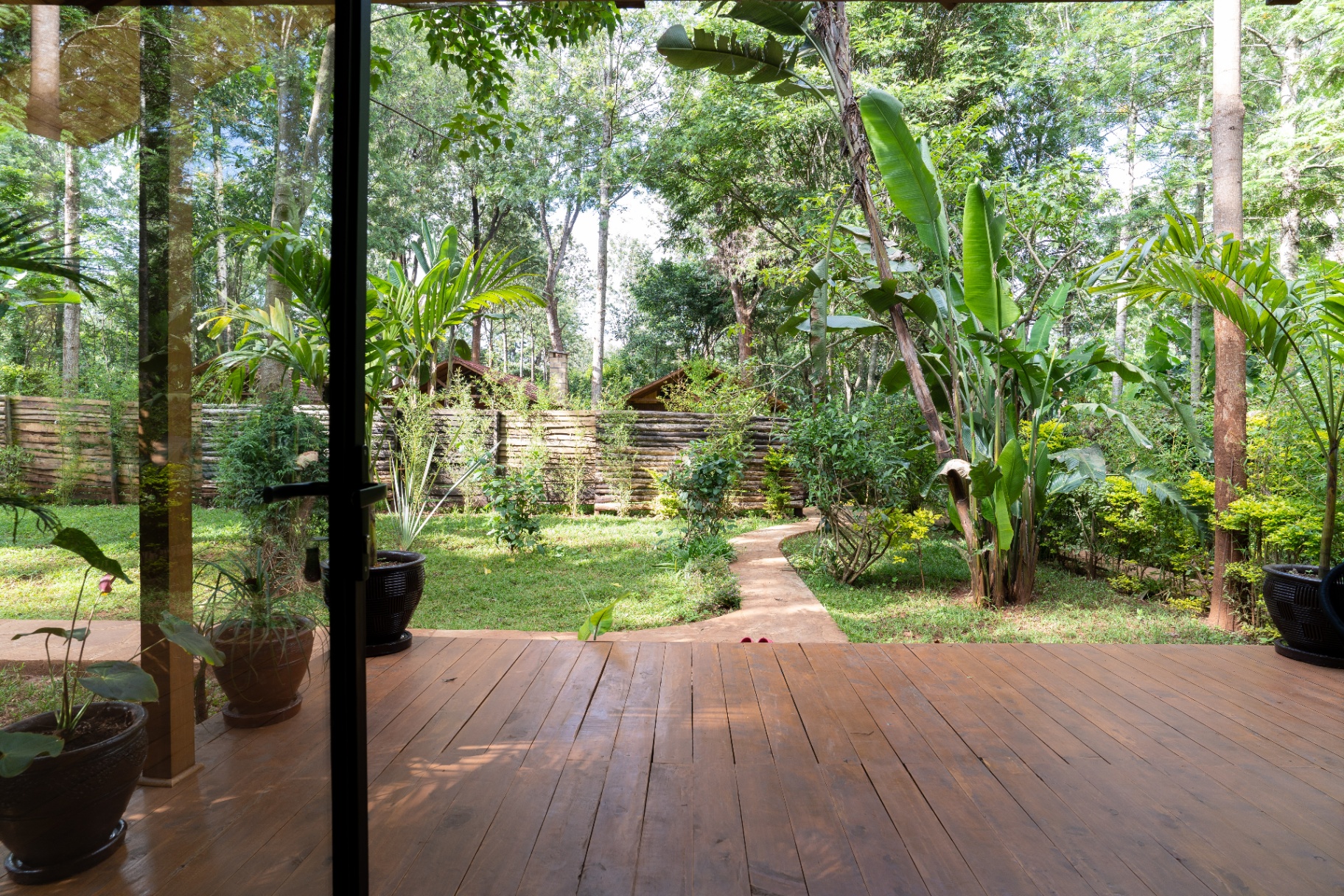
Visitors staying in Karen, including guests at Jungle Oasis, may encounter mosquitoes in gardens or outdoor spaces.
The broad Nairobi malaria-risk classification is reassuring, but specific exposure can vary by location and activity.
Because some official guidance defines the lowest-risk exception particularly around Nairobi's highly urbanised centre, visitors should not automatically apply that narrow exception to every surrounding area without checking their itinerary.
For a short stay in Karen, ask a travel-health professional whether your exact plans warrant any additional precautions.
Is There Malaria in the Maasai Mara?
Yes.
The Maasai Mara is a malaria-risk destination.
Although it is situated at a relatively high elevation compared with Kenya's coast, much of the reserve and surrounding safari region falls below the 2,500-metre threshold used in international malaria guidance.
Preventive malaria medication is generally recommended for travellers visiting this region.
Does the Time of Year Matter?
Rainfall, temperature and local environmental conditions can affect mosquito populations and transmission.
However, travellers should not assume that visiting during a dry period eliminates malaria risk.
Even a short safari can involve exposure.
What About Luxury Safari Lodges?
Luxury accommodation may provide screened rooms, mosquito nets or other protective measures.
These are useful, but they do not make a malaria-risk area malaria-free.
If preventive medication is recommended for your destination, staying in an expensive lodge is not a reason to ignore that advice.
Is There Malaria in Amboseli National Park?
Yes.
Amboseli lies in southern Kenya and falls within the malaria-risk areas identified in international travel-health guidance.
Visitors should discuss malaria-prevention medication before travelling.
This applies even if you're staying in a comfortable lodge and spending much of your time inside a safari vehicle.
Mosquito exposure can occur around accommodation, particularly during evening and nighttime hours.
Is There Malaria in Tsavo National Park?
Yes.
Both Tsavo East and Tsavo West are within malaria-risk regions.
The parks cover extensive areas with varying terrain, but visitors should not assume that an inland safari destination is automatically lower risk than the coast.
Preventive medication is generally recommended under current travel-health guidance.
Combine this with mosquito repellent, suitable clothing and appropriate accommodation precautions.
Is There Malaria in Diani Beach?
Yes.
Diani Beach, on Kenya's southern coast, is in a malaria-risk region.
The warm coastal climate can support mosquito populations, and travellers should take prevention seriously.
Visitors to Diani Beach should seek advice about preventive malaria medication before travelling.
This applies whether you're staying in a hotel, resort, villa or private holiday home.
Do Beach Resorts Eliminate the Risk?
No.
Air conditioning, window screens and mosquito nets can reduce exposure, but they cannot eliminate it.
You may also spend time outdoors at restaurants, beach bars or other locations.
What About Mombasa, Watamu and Malindi?
These coastal destinations also fall within malaria-risk regions.
Travellers should follow current preventive medication recommendations and mosquito-bite precautions.
Do not confuse the yellow fever vaccination guidance for Kenya's coast with malaria recommendations. They concern different diseases and use different geographic assessments.
Do You Need Malaria Tablets for Kenya?
For many visitors travelling beyond Nairobi into safari parks, coastal regions or other malaria-risk areas, preventive malaria medication is recommended.
These medications are called antimalarial chemoprophylaxis.
They reduce the risk of developing malaria but do not provide complete protection.
The appropriate medication depends on factors including:
- Your destinations.
- How long you're travelling.
- Your age and body weight.
- Pregnancy or breastfeeding.
- Medical conditions.
- Other medications.
- Previous reactions to antimalarials.
- The time available before departure.
A travel-health professional can help determine which option is appropriate.
Which Malaria Tablets Are Used for Kenya?
Several medications are used for malaria prevention.
Common options include atovaquone-proguanil, doxycycline and mefloquine.
The CDC also lists tafenoquine as an option for appropriately assessed travellers.
These medications differ in dosing schedules, contraindications, possible side effects and the length of time they must be taken after leaving a malaria-risk area.
Atovaquone-Proguanil
Often known by the brand name Malarone.
It is taken daily.
For many travellers, it is started one or two days before entering a malaria-risk area and continued for seven days after leaving.
It may be convenient for shorter trips, although suitability depends on the individual.
Doxycycline
Doxycycline is also taken daily.
It is generally started one or two days before entering a malaria-risk area and continued for four weeks after leaving.
It can cause side effects such as increased sensitivity to sunlight and gastrointestinal irritation.
This is worth discussing if you're planning a beach holiday or spending substantial time outdoors.
Mefloquine
Mefloquine is generally taken weekly.
It needs to be started sufficiently early before travel and continued for four weeks after leaving the malaria-risk area.
It is not suitable for everyone, including people with certain psychiatric or neurological conditions.
Tafenoquine
Tafenoquine is another preventive option under CDC guidance, but it requires specific eligibility checks, including quantitative G6PD testing.
It is not appropriate for every traveller.
Which Is the Best Malaria Tablet?
There is no single best choice for everyone.
For example, a medication suitable for a healthy adult on a short safari may not be appropriate for a pregnant traveller or young child.
Do not choose medication solely on price, convenience or advice from other travellers.
Consult a qualified healthcare professional and follow the prescribed schedule.
Can You Visit Kenya Without Taking Malaria Tablets?
Yes, some itineraries may not require preventive medication.
A visit limited to Nairobi city is an important example.
However, choosing not to take tablets for a destination where they are recommended means accepting additional preventable risk.
If you have concerns about side effects, discuss alternative medications with a travel-health professional rather than assuming all antimalarials cause the same problems.
And remember that mosquito precautions remain important even when taking preventive medication.
How to Avoid Mosquito Bites in Kenya
Preventing mosquito bites is an important part of malaria prevention.
The mosquitoes responsible for malaria commonly bite from dusk to dawn, although mosquito protection throughout the day is also useful because other mosquito-borne diseases may be transmitted at different times.
1. Use Effective Mosquito Repellent
Choose a repellent containing an evidence-supported active ingredient, such as DEET or picaridin.
Follow the product instructions and age-related precautions.
2. Wear Appropriate Clothing
Long sleeves, long trousers and socks can reduce exposed skin, particularly in the evening.
Lightweight clothing may be more comfortable in warm climates.
3. Use Mosquito Nets Where Appropriate
A properly fitted, insecticide-treated bed net can provide valuable protection where sleeping accommodation is not adequately screened.
Make sure the net is intact and correctly tucked in.
4. Choose Suitable Accommodation
Air conditioning, intact window screens and well-maintained mosquito nets can help reduce exposure.
Ask your accommodation provider what protective measures are available.
5. Protect Yourself During Evening Activities
Outdoor dining, campfire evenings and nighttime activities can increase exposure.
Apply repellent and wear appropriate clothing even if you're staying at a high-end property.
6. Don't Rely on Unproven Remedies
Citronella candles, bracelets, vitamin supplements and other popular remedies should not replace proven mosquito-bite prevention methods.
Does Kenya's Rainy Season Increase Malaria Risk?
Rainfall can create breeding opportunities for mosquitoes, and malaria transmission may fluctuate seasonally.
However, the relationship is not identical across every region.
Temperature, altitude, rainfall patterns and local environmental conditions all influence transmission.
Importantly, malaria risk can remain present outside the rainy season.
A dry-season safari or beach holiday should not automatically be treated as malaria-free.
Use the current recommendations for your destinations regardless of the month you're travelling.
What Are the Symptoms of Malaria?
Malaria can initially resemble other illnesses.
Common symptoms include:
- Fever.
- Chills.
- Headache.
- Muscle aches.
- Fatigue.
- Nausea.
- Vomiting.
- Sometimes diarrhoea.
Symptoms may begin days or weeks after infection, and some malaria infections can present considerably later.
Severe malaria can develop rapidly, particularly with *Plasmodium falciparum*.
What If You Develop a Fever in Kenya?
Seek urgent medical assessment if you develop a fever during or after travel to a malaria-risk area.
Tell the healthcare professional exactly where you've travelled.
Malaria testing may be necessary even if you took preventive medication.
Do not assume a fever is simply influenza, food poisoning or exhaustion.
If the initial malaria test is negative but suspicion remains, clinicians may need to repeat testing.
Can You Get Malaria After Returning Home?
Yes.
Malaria symptoms can appear after you've left Kenya.
If you become unwell after returning home, tell your doctor about your travel history, even if several weeks or months have passed.
UK travel-health guidance advises urgent medical assessment for fever after travel to malaria-risk areas and continued awareness of possible symptoms for up to a year.
Is Malaria Dangerous?
Malaria can be a serious illness.
*Plasmodium falciparum*, the predominant species in Kenya, can cause severe disease and potentially death if treatment is delayed.
However, effective diagnosis and treatment are available.
The most important thing is to seek medical attention promptly when symptoms are compatible with malaria.
Do not wait several days to see whether a fever resolves on its own.
Is Malaria More Dangerous for Children?
Young children are particularly vulnerable to severe malaria.
Families travelling to malaria-risk regions should seek specialist advice before departure.
Medication choices and doses depend on age, weight and other medical considerations.
Some drugs used by adults are not appropriate for children.
Family Travel Precautions
- Arrange a travel-health consultation well before departure.
- Confirm age-appropriate mosquito repellent.
- Use suitable sleeping protection.
- Follow prescribed preventive medication schedules.
- Seek prompt medical assessment for fever.
- Ensure appropriate medical insurance and access to care.
If you're travelling with an infant, discuss the itinerary carefully with a qualified healthcare professional.
What About Malaria During Pregnancy?
Malaria during pregnancy can pose serious risks to both the pregnant person and the developing baby.
Some antimalarial medications are unsuitable during pregnancy, and treatment or prevention options require individual assessment.
Pregnant travellers should consult a specialist before visiting malaria-risk destinations.
Depending on the itinerary and circumstances, postponing travel to higher-risk areas may be advisable.
Can You Get a Malaria Vaccine Before Travelling to Kenya?
Malaria vaccines exist and are being used in public-health programmes for children in malaria-endemic countries.
However, these vaccines are not generally available or recommended as routine pre-travel vaccination for adult tourists.
Travellers should not assume that a malaria vaccine can replace preventive tablets and mosquito-bite precautions.
For most international visitors, the main preventive measures remain destination-appropriate medication and avoiding mosquito bites.
Common Malaria Myths About Kenya
Myth 1: There Is No Malaria in Nairobi, So There Is No Malaria Anywhere Nearby
Nairobi city has very low risk, but surrounding destinations can have different risk profiles.
Your full itinerary matters.
Myth 2: You Don't Need Malaria Tablets for a Luxury Safari
Accommodation quality does not remove the underlying risk of malaria transmission.
Myth 3: You Only Need Malaria Tablets During the Rainy Season
Malaria transmission can occur throughout the year in many Kenyan regions.
Myth 4: If You Take Malaria Tablets, You Cannot Get Malaria
Preventive medication significantly reduces risk but is not completely effective.
Myth 5: All Mosquitoes in Kenya Carry Malaria
Only certain mosquitoes transmit malaria, and not every mosquito is infected.
Myth 6: You Would Know Immediately If You Had Malaria
Symptoms can appear after you've left the risk area or returned home.
Myth 7: A Short Safari Is Too Brief to Catch Malaria
A short stay does not eliminate the possibility of infection.
Staying at Jungle Oasis Before or After Your Safari
Many visitors spend a night or two in Nairobi before travelling to the Maasai Mara, Amboseli or Kenya's coast.
If you're staying at Jungle Oasis in Karen, it's useful to understand the difference between Nairobi's generally low malaria risk and the higher-risk destinations you may visit later.
Your malaria-prevention plan should cover the complete trip.
For example, someone staying in Nairobi for two nights before flying to the Maasai Mara may need to begin prescribed preventive medication before reaching the safari destination.
The exact schedule depends on the medication.
Jungle Oasis offers boutique accommodation in Karen, with garden surroundings, several accommodation options and a shared heated swimming pool.
As with any accommodation, ask about mosquito protection if you have particular concerns, and follow appropriate bite-prevention precautions.
Malaria Prevention Checklist for Kenya
Before departure:
- Check the malaria risk for every destination.
- Arrange a travel-health consultation, ideally several weeks before travel.
- Obtain appropriate prescribed medication if recommended.
- Pack effective mosquito repellent.
- Confirm suitable mosquito protection for children.
- Check travel insurance and medical arrangements.
During your trip:
- Take prescribed medication exactly as directed.
- Use mosquito repellent consistently.
- Wear protective clothing when appropriate.
- Use mosquito nets or screened accommodation where needed.
- Seek urgent medical assessment for fever.
After returning home:
- Complete the prescribed medication course.
- Remain alert for malaria symptoms.
- Tell healthcare professionals about your Kenya travel history if you become ill.
Frequently Asked Questions
Is there malaria in Kenya?
Yes. Malaria is present in many parts of Kenya, particularly areas below 2,500 metres. Risk varies by destination.
Is there malaria in Nairobi?
Nairobi city is generally considered very low risk, with rare cases in its highly urbanised centre. The wider metropolitan area should be assessed according to the exact itinerary.
Do I need malaria tablets for Nairobi?
For travel limited to Nairobi city, preventive medication is generally not recommended. Mosquito-bite precautions remain advisable.
Do I need malaria tablets for the Maasai Mara?
Preventive medication is generally recommended for travellers visiting the Maasai Mara.
Is there malaria in Diani Beach?
Yes. Diani Beach is in a malaria-risk region, and preventive medication is generally recommended.
Is there malaria in Mombasa?
Yes. Mombasa is within a malaria-risk region.
Do you need malaria tablets for Amboseli?
Preventive medication is generally recommended for travellers visiting Amboseli National Park.
Can you get malaria in Kenya during the dry season?
Yes. Malaria transmission can occur outside the rainy season.
Can you get malaria even if you take preventive tablets?
Yes. Preventive medication reduces risk but does not guarantee protection.
What should I do if I get a fever after visiting Kenya?
Seek urgent medical assessment and tell the clinician where you've travelled, particularly if you visited a malaria-risk area.
Is malaria vaccination required to enter Kenya?
No routine malaria vaccination certificate is required for entry. Malaria prevention is separate from yellow fever vaccination and entry-document requirements.
Final Thoughts: Should Malaria Stop You From Visiting Kenya?
Malaria is a genuine health risk in parts of Kenya, and travellers should take it seriously.
But the risk is not identical everywhere.
Nairobi city is generally very low risk, while the Maasai Mara, Amboseli, Tsavo and Kenya's coastal destinations fall within areas where preventive medication is commonly recommended.
The best approach is not to worry unnecessarily or ignore the risk.
Instead, check your complete itinerary, seek appropriate medical advice, use effective mosquito protection and know what to do if you develop a fever.
With sensible preparation, malaria prevention can become another manageable part of planning your Kenya holiday.
If your journey begins or ends in Nairobi, Jungle Oasis offers boutique accommodation in Karen, providing a relaxed garden setting before or after your safari.
*Travel-health information reviewed: 20 November 2026. This guide is general information, not personalised medical advice. Malaria risk maps, medication recommendations and local transmission patterns may change.*