
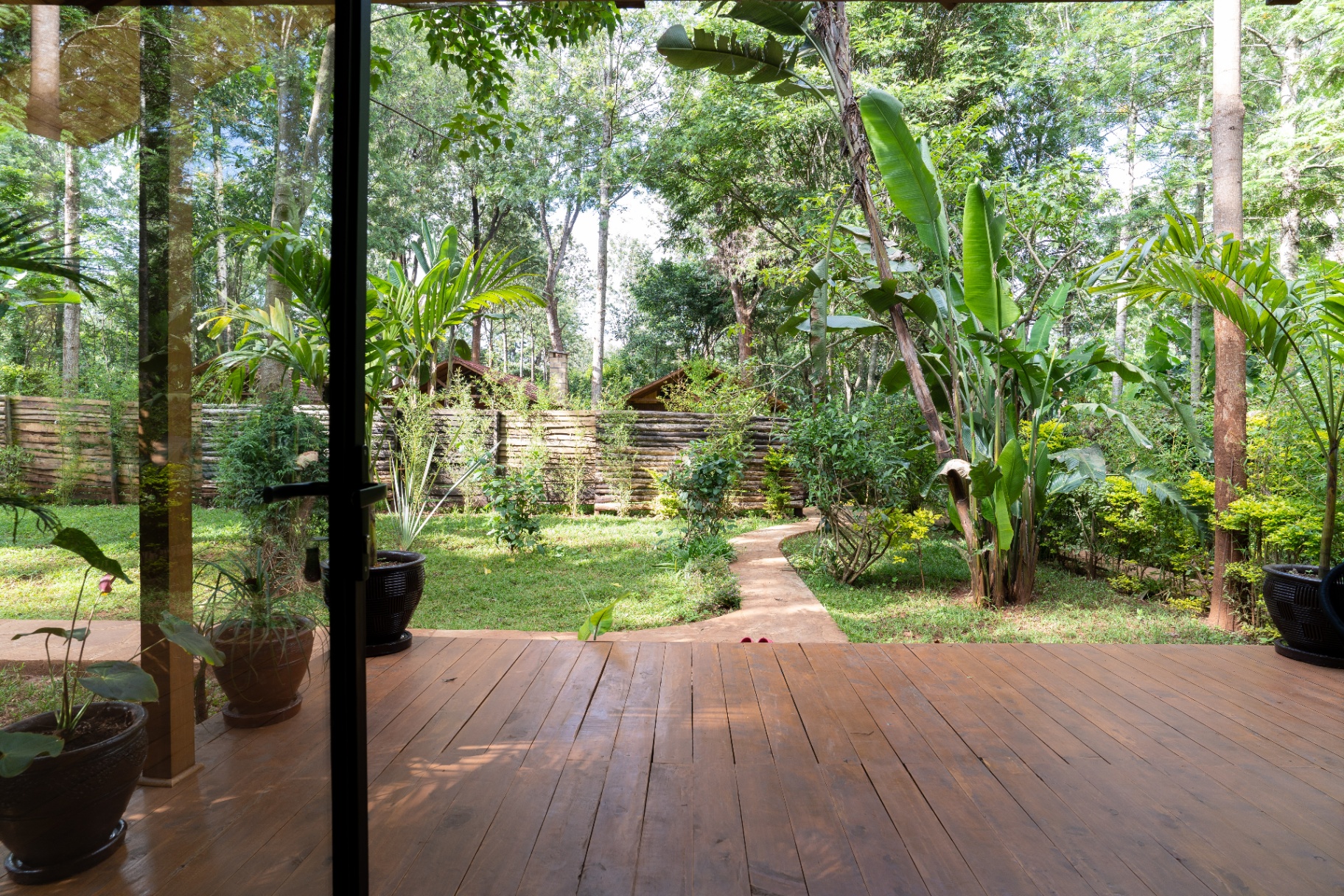
17
minute read
17
sections
10
questions answered
There's something extraordinary about seeing an elephant walking across an open plain, watching giraffes move through the trees or hearing lions calling in the distance.
For many travellers, a safari in Kenya is a once-in-a-lifetime experience. But planning that first safari can also feel overwhelming.
Should you visit the Maasai Mara or Amboseli? Is three days enough? Do you need a private guide? And how do you know whether a safari package actually offers good value?
The good news is that planning your first Kenya safari doesn't have to be complicated.
The key is understanding a few important decisions before you start booking.
This guide explains how to choose your safari destinations, decide how long to stay, compare accommodation, understand costs and build an itinerary that gives you time to enjoy the experience.
1. Decide What Kind of Safari You Want
Not every safari in Kenya offers the same experience.
Some destinations are known for wide-open savannah landscapes and big cats. Others are particularly rewarding for elephants, rhinos, birdlife or quieter wildlife encounters.
Before choosing a destination, think about what matters most to you.
A classic wildlife safari
If your dream is to see lions, elephants, giraffes and other iconic African animals in expansive landscapes, destinations such as the Maasai Mara are strong candidates.
A scenic safari
If dramatic landscapes are just as important as wildlife, Amboseli's views towards Mount Kilimanjaro may appeal to you.
A quieter safari
If you prefer fewer vehicles and a more remote atmosphere, consider lesser-visited parks or conservancies. Visitor numbers vary by destination, season and specific area.
A family safari
Families may prioritise shorter travel days, comfortable accommodation, flexible game-drive schedules and activities suitable for children.
A luxury safari
Luxury safaris often emphasise smaller camps, personalised service, private guiding and more exclusive experiences.
A budget-conscious safari
Group departures, road-based itineraries and simpler accommodation can help reduce costs, although the cheapest package isn't necessarily the best value.
There is no single best safari for everyone. The right choice depends on your interests, budget, available time and preferred travel style.
2. Choose the Right Safari Destination
Kenya has numerous national parks, national reserves and wildlife conservancies.
For first-time visitors, a handful of destinations are especially worth comparing.
Maasai Mara National Reserve
The Maasai Mara is one of Kenya's best-known safari destinations.
Its open grasslands and diverse wildlife make it particularly appealing for visitors hoping to experience a classic East African safari.
The wider ecosystem supports lions, elephants, giraffes, buffaloes, cheetahs and many other species.
The Maasai Mara is also associated with the annual Great Migration, when large numbers of wildebeest and other grazing animals move through the Mara–Serengeti ecosystem.
However, migration timing varies with rainfall and grazing conditions. River crossings are unpredictable and should never be guaranteed by a tour operator.
Best for: First-time safari travellers seeking classic savannah scenery, diverse wildlife and big-cat viewing opportunities.
Consider: Popular areas can become busy, particularly during peak migration periods.
Amboseli National Park
Amboseli is particularly famous for its elephants and views towards Mount Kilimanjaro.
Its landscapes include open plains, wetlands and areas of woodland.
For photographers, the combination of wildlife and mountain scenery can be especially appealing when visibility is good.
Best for: Elephant enthusiasts, landscape photography and travellers who want a safari with distinctive scenery.
Consider: Kilimanjaro is not always visible because of clouds and weather conditions.
Lake Nakuru National Park
Lake Nakuru is known for its varied birdlife and rhino conservation.
The park includes lake environments, woodland and grassland habitats.
It can be a useful addition to a longer road-based itinerary through Kenya's Rift Valley.
Best for: Travellers interested in rhinos, birdlife and varied landscapes.
Consider: Flamingo numbers and other wildlife sightings change with environmental conditions.
Tsavo East and Tsavo West
The Tsavo parks offer expansive landscapes and a different atmosphere from the Maasai Mara.
Tsavo East is associated with its red-earth scenery and elephants, while Tsavo West features varied terrain and volcanic landscapes.
These parks can work well for travellers combining a safari with a visit to the Kenyan coast.
Best for: Expansive wilderness, scenery and safari itineraries that connect with coastal destinations.
Consider: The parks are large, so accommodation location and travel distances matter considerably.
Samburu National Reserve
Samburu offers a distinctive safari environment in northern Kenya.
Its drier landscapes and wildlife include species that are less commonly encountered in southern safari destinations.
It may appeal to travellers who want to explore beyond the most familiar safari circuits.
Best for: Wildlife enthusiasts, distinctive landscapes and travellers seeking a different safari experience.
Consider: Getting there requires additional travel planning, and conditions can be hot.
Nairobi National Park
Nairobi National Park offers an unusual opportunity to experience wildlife close to Kenya's capital.
It can be particularly useful for travellers with limited time or those who want a short introduction to safari before travelling farther afield.
Best for: Short wildlife experiences, first-day activities and travellers spending time in Nairobi.
Consider: It is not a substitute for several days exploring a larger safari ecosystem.
Which Safari Destination Should You Choose?
| Destination | Main appeal | Suitable for |
|---|---|---|
| Maasai Mara | Classic savannah safari and big cats | First-time visitors |
| Amboseli | Elephants and Kilimanjaro scenery | Photographers and elephant enthusiasts |
| Lake Nakuru | Rhinos and birdlife | Rift Valley itineraries |
| Tsavo | Vast landscapes and wildlife | Safari-and-coast trips |
| Samburu | Northern wildlife and distinctive scenery | Travellers seeking variety |
| Nairobi National Park | Wildlife close to the capital | Short stays and introductory safaris |
If you have only three or four safari days, choosing one main destination is often more enjoyable than trying to visit several parks.
3. How Many Days Do You Need for a Kenya Safari?
One of the most common first-time safari mistakes is trying to fit too much into a short trip.
Game drives are only part of the experience. You also need time for transfers, meals, rest and unexpected delays.
Two to Three Days
A short safari can be rewarding if you focus on one destination.
However, a two-day itinerary involving a long road transfer may leave limited time for wildlife viewing.
Three days with two nights in the same safari area generally provides more flexibility.
Four to Five Days
Four or five days can be a comfortable introduction to safari.
You may choose to stay in one area or combine two destinations if travel logistics make sense.
This gives you more opportunities for morning and afternoon game drives.
Six to Eight Days
A longer safari allows you to explore different ecosystems without rushing quite as much.
For example, you might combine a savannah destination with a Rift Valley park or another contrasting landscape.
Ten Days or More
With additional time, you can build a more varied Kenya itinerary that includes safari, Nairobi and potentially the coast.
However, more days don't automatically mean a better trip.
The quality of your itinerary matters more than the number of destinations you visit.
Our recommendation for first-time visitors: If your schedule and budget allow, aim for at least three nights in your main safari destination. This reduces the proportion of your holiday spent travelling.
4. Choose Between a Road Safari and a Fly-In Safari
Kenya safaris commonly involve road transport, domestic flights or a combination of both.
Road Safaris
A road safari involves travelling between destinations by vehicle.
Advantages
- Often more economical than flying.
- Opportunities to see landscapes and towns along the way.
- Can work well for multi-stop itineraries.
- Your vehicle may also be used for game drives, depending on the arrangement.
Disadvantages
- Long journeys can be tiring.
- Road conditions vary.
- Travel times may be longer than expected.
- Less suitable for travellers with very limited time.
Fly-In Safaris
Fly-in safaris use domestic flights to reach airstrips serving safari areas.
Advantages
- Can reduce time spent on long road transfers.
- Particularly appealing for shorter, higher-budget trips.
- Useful when travelling between distant safari destinations.
Disadvantages
- Generally more expensive.
- Baggage allowances can be restrictive.
- Flight schedules and airstrip transfers require coordination.
- Weather or operational changes may affect schedules.
For a first safari, neither option is automatically better.
A road safari may offer excellent value, while a fly-in safari can make sense when time is limited.
5. Understand Your Safari Accommodation Options
Safari accommodation ranges from simple camps to luxury lodges.
The important thing is to understand what you are paying for.
Budget Camps
These may offer relatively simple accommodation and shared or basic facilities.
They can make safari more accessible for travellers working within a tighter budget.
Check the exact room configuration, bathroom arrangements and included services.
Mid-Range Lodges and Tented Camps
Mid-range properties often combine comfortable accommodation with organised meals and game-drive arrangements.
They can be a good choice for travellers seeking comfort without the cost of a high-end luxury safari.
Luxury Safari Camps
Luxury camps may offer spacious tents or suites, high service levels and more personalised experiences.
Some operate in private conservancies where different activity rules may apply.
However, a high nightly rate doesn't automatically guarantee better wildlife sightings.
Inside or Outside the Park?
Accommodation location can significantly affect your safari.
A property close to your intended game-drive area may reduce daily travel time.
Accommodation outside a park or reserve may be more economical, but access arrangements and driving distances need to be considered.
Ask your operator where the property is located, which entrance is used and whether any additional fees apply.
6. How Much Does a Kenya Safari Cost?
A group road safari using simple accommodation is a very different product from a private fly-in safari with luxury lodging.
Instead of focusing on a single advertised price, compare what is included.
Common cost components include:
- Accommodation.
- Meals.
- Safari vehicle and driver-guide.
- National park or reserve fees.
- Domestic flights or road transfers.
- Conservancy fees, where applicable.
- Optional activities.
- Tips and personal expenses.
Questions to Ask Before Booking
- Are all park and reserve fees included?
- Is the safari private or shared with other travellers?
- How many people will be in the vehicle?
- Does everyone have a suitable window seat?
- How many game drives are included?
- Which accommodation property and room category are included?
- Are meals and drinking water included?
- Are airport transfers included?
- Are domestic flights and baggage allowances included?
- What are the cancellation and payment terms?
A cheaper safari can become more expensive if important services are excluded.
Ask for a written itinerary and an itemised explanation of inclusions before paying a deposit.
7. Should You Book a Private Safari or Join a Group?
Both options have advantages.
Private Safari
A private safari usually gives your party greater control over the schedule.
You may have more flexibility over photography stops, game-drive duration and daily activities.
It can be particularly appealing for families, couples and travellers with specific wildlife interests.
However, private arrangements often cost more, especially for solo travellers or couples.
Group Safari
Group safaris allow travellers to share vehicle and guiding costs.
They can be a good option for budget-conscious visitors and people who enjoy meeting other travellers.
The main trade-off is flexibility.
You may need to follow a fixed itinerary and coordinate activities with other participants.
For first-time visitors: Choose based on your budget and preferred travel style rather than assuming one is always superior.
8. When Is the Best Time for a Safari in Kenya?
Kenya offers wildlife viewing opportunities throughout the year, but seasons affect landscapes, road conditions and animal movements.
January to March
These months are often relatively dry in many popular safari areas.
Wildlife viewing can be rewarding, although conditions differ between destinations.
April to May
These months traditionally fall within Kenya's longer rainy season.
Landscapes may be greener, but some roads can become more challenging.
Certain accommodation properties or activities may operate differently during wetter periods.
June to October
This period includes much of the traditional dry season in several safari destinations.
It is also associated with the Great Migration season in the Maasai Mara.
However, migration movements depend on environmental conditions and cannot be predicted precisely.
November to December
Short rains traditionally occur during part of this period, although timing and intensity vary.
Wildlife viewing remains possible, and the landscape can be particularly attractive after rainfall.
Important: There is no universal best month for every Kenyan safari destination.
Choose your travel dates based on the wildlife experience you want, your budget and your tolerance for changing weather conditions.
9. What Happens on a Typical Safari Day?
A safari day often begins early.
Wildlife can be active during the cooler morning hours, making early game drives popular.
A typical schedule might look like this:
Early morning: Wake up, have a light breakfast or refreshments and depart for a game drive.
Late morning: Return to camp for breakfast or brunch, depending on the itinerary.
Midday: Relax, enjoy lunch and rest during the warmer part of the day.
Afternoon: Head out for another game drive where permitted and included.
Evening: Return to your accommodation for dinner and relaxation.
Schedules vary by destination, accommodation and safari package.
Some itineraries involve full-day game drives with packed meals. Others use shorter morning and afternoon outings.
Night drives are not permitted everywhere and depend on the applicable protected-area rules.
Ask your operator what your actual daily schedule will involve.
10. What Should You Pack for Your First Kenya Safari?
You don't need an entirely new wardrobe for safari.
Comfortable, practical clothing is usually more useful than specialised safari fashion.
Consider packing:
- Lightweight, breathable clothing.
- A warm layer for early mornings.
- Comfortable closed shoes.
- Sun protection and a hat.
- Sunglasses.
- A reusable water bottle.
- Binoculars, if available.
- A camera or phone with sufficient storage.
- Charging equipment.
- Any personal medication.
- Suitable insect protection.
Neutral colours can be practical, but there is no need to dress entirely in beige.
If your itinerary includes domestic flights on smaller aircraft, check baggage restrictions carefully.
Soft-sided luggage may be required by some operators.
For a more detailed checklist, see our Kenya safari and travel packing guide.
11. How to Choose a Reliable Safari Operator
The safari operator you choose can have a major influence on your experience.
A good operator should provide clear information, realistic expectations and transparent pricing.
Before booking, consider:
Communication: Are your questions answered clearly?
Itinerary detail: Do you know exactly where you're going and where you'll stay?
Vehicle arrangements: Is the vehicle appropriate for the group size and itinerary?
Guide experience: What guiding arrangements are included?
Reviews: Are there credible, recent reviews from previous travellers?
Payment terms: Are deposits, balances and cancellation policies clearly documented?
Conservation practices: Does the operator follow responsible wildlife-viewing guidelines?
Business credentials: Can you verify the operator's relevant registration or licensing?
Avoid operators who guarantee sightings of specific wild animals or promise migration river crossings on exact dates.
Wildlife is unpredictable, and responsible operators should be honest about that.
For a concrete route to discuss, see the Classic Kenya Safari example from Fernweh Safaris, our related safari business. It is a customizable outline, not a confirmed departure; request the current itinerary and inclusions directly from Fernweh.
12. Plan Your Arrival and Departure Nights Carefully
Many international visitors begin their Kenya safari by flying into Nairobi.
From there, they continue by road or domestic flight to their chosen safari destination.
One planning decision that often gets overlooked is whether to travel onward immediately or spend a night in Nairobi first.
Why Spend a Night in Nairobi Before Safari?
After a long international journey, an overnight stay can give you time to rest before an early departure or long road transfer.
It can also provide flexibility if your international flight arrives late.
Rather than beginning your safari exhausted, you can start the following day feeling more refreshed.
Why Stay in Nairobi After Safari?
An overnight stay after safari can help separate your return journey from your international flight.
This may be particularly useful when your safari involves long road transfers or domestic connections.
It also provides an opportunity to enjoy Nairobi's restaurants, cultural attractions or simply a relaxed evening.
A Relaxed Nairobi Base: Jungle Oasis
For travellers who prefer a quieter setting before or after safari, Jungle Oasis offers boutique accommodation in Karen, Nairobi.
The property includes several accommodation options, garden surroundings and a shared heated swimming pool.
It can be a comfortable base for travellers who want to spend a little time in Nairobi rather than immediately continuing to their next destination.
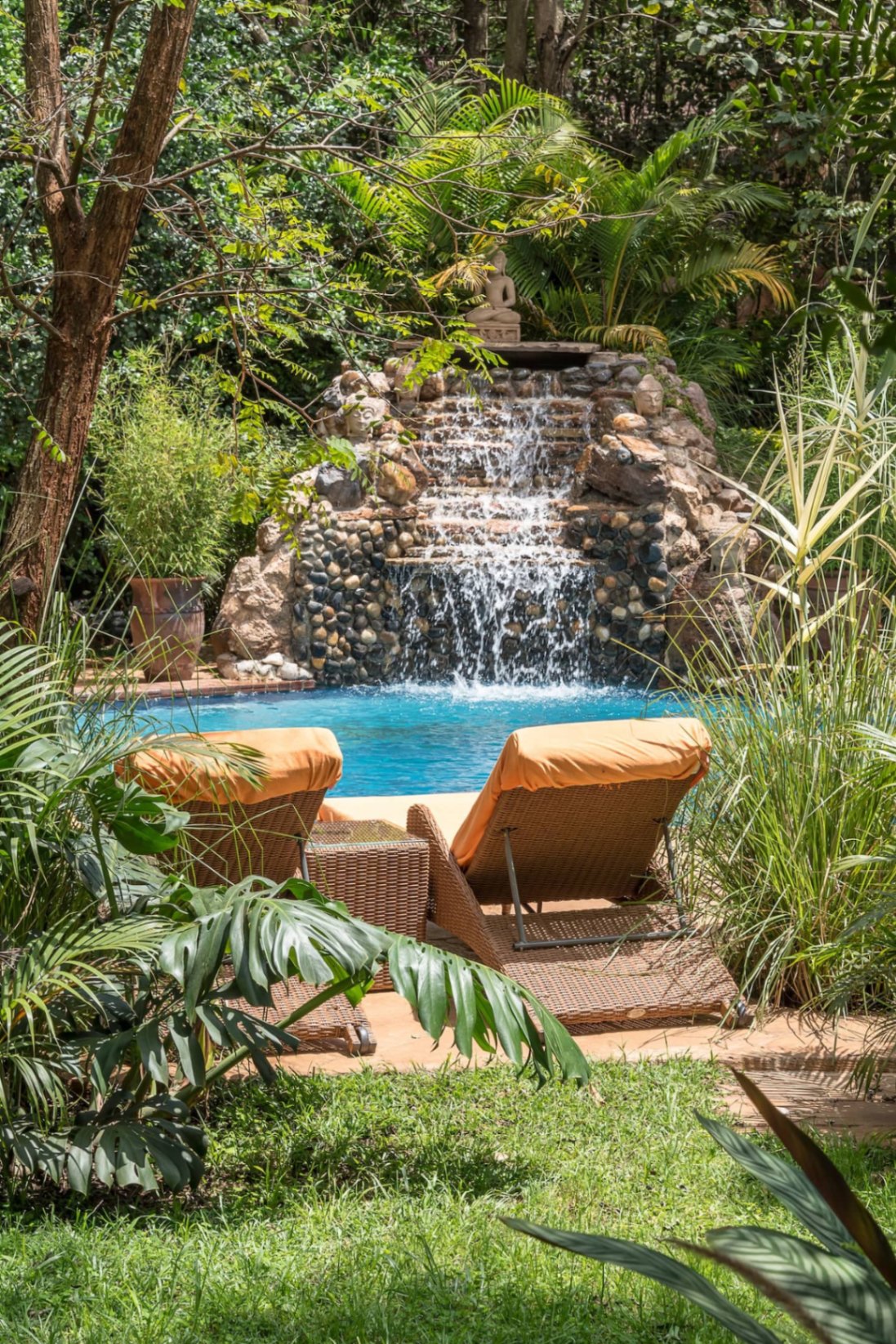
Karen is not directly beside Jomo Kenyatta International Airport, so airport transfer times should be factored into your itinerary.
Explore the accommodation options at Jungle Oasis when planning the Nairobi portion of your Kenya holiday.
13. Three Example First-Time Kenya Safari Itineraries
Option A: A Short Four-Day Kenya Safari Trip
Day 1: Arrive in Nairobi and stay overnight.
Day 2: Travel to your selected safari destination and enjoy a game drive if timing permits.
Day 3: Spend a full day on safari.
Day 4: Return to Nairobi for onward travel, allowing appropriate flight buffers.
This works best when you choose a destination with practical transfer arrangements.
Option B: A Seven-Day Kenya Safari Holiday
Day 1: Arrive in Nairobi and rest.
Days 2–4: Travel to the Maasai Mara and enjoy several game drives.
Day 5: Return to Nairobi or continue to another destination if the route and schedule make sense.
Day 6: Enjoy a relaxed day in Nairobi or an additional planned experience.
Day 7: Depart Kenya.
This itinerary deliberately avoids packing too many destinations into one week.
Option C: A Ten-Day Kenya Safari and Beach Holiday
Day 1: Arrive in Nairobi.
Days 2–5: Enjoy a multi-night safari in one or two suitable destinations.
Day 6: Transfer to the Kenyan coast using an appropriate route.
Days 7–9: Relax at the beach and explore selected coastal attractions.
Day 10: Travel onward or depart Kenya.
Actual travel days and connections depend on your safari destination, domestic flight schedules and international departure arrangements.
These are planning examples rather than fixed packages.
14. Common First-Time Safari Mistakes
A few avoidable mistakes can make a safari more expensive or tiring than necessary.
Trying to visit too many parks: Focus on enjoying each destination rather than collecting park names.
Choosing accommodation without checking its location: A property can look close on a map but involve substantial travel time.
Comparing prices without comparing inclusions: Park fees, transfers and activities can significantly change the final cost.
Expecting guaranteed wildlife sightings: Even experienced guides cannot control animal movements.
Ignoring seasonal conditions: Rainfall, road conditions and migration patterns can affect the experience.
Booking tight flight connections: Allow adequate time between safari transfers and international departures.
Overpacking: Check baggage limits, especially for fly-in safaris.
Failing to ask about the vehicle: Group size and seating arrangements can influence your comfort during game drives.
A little preparation can make your first safari considerably more enjoyable.
15. Responsible Safari Travel: How to Respect Wildlife
A good safari should be memorable for visitors without unnecessarily disturbing wildlife.
Follow your guide's instructions and respect the rules of each protected area.
Important principles include:
- Keep a safe distance from wild animals.
- Never feed wildlife.
- Avoid loud behaviour around animals.
- Do not pressure guides to chase or surround wildlife.
- Stay on permitted tracks and roads.
- Dispose of waste responsibly.
- Respect local communities and ask permission before photographing people.
- Choose operators that take conservation and community relationships seriously.
Responsible wildlife viewing is not only an ethical consideration. It also contributes to a better long-term safari experience.
Frequently Asked Questions About Kenya Safaris
Is Kenya a good destination for a first safari?
Yes. Kenya offers a wide range of established safari destinations, accommodation types and guided experiences suitable for first-time visitors.
How many days should your first Kenya safari be?
Three or four nights in one main safari destination can provide a rewarding introduction. Travellers with more time can explore additional areas.
Is the Maasai Mara better than Amboseli?
Neither is universally better. The Maasai Mara is particularly associated with classic savannah wildlife experiences, while Amboseli is famous for elephants and Kilimanjaro scenery.
Do you need a guide for a Kenya safari?
Many first-time visitors benefit from an experienced guide. Self-drive arrangements may be possible in some areas, subject to local rules, road conditions and appropriate preparation.
Can you see the Big Five in Kenya?
Kenya has populations of all five species traditionally referred to as the Big Five: lion, leopard, elephant, buffalo and rhino. However, not every destination has all five, and sightings are never guaranteed.
Is a Kenya safari suitable for children?
Many safaris can be suitable for families, but age restrictions, drive duration, accommodation policies and safety requirements vary. Check these before booking.
Should you book a safari in advance?
Advance booking is advisable for popular destinations, peak travel periods and specific accommodation preferences. Availability may be more flexible at other times.
Is it better to fly or drive to the Maasai Mara?
Flying can save time but usually costs more. Driving can be more economical, although road journeys are longer and conditions vary.
Can you combine a Kenya safari with a beach holiday?
Yes. Many travellers combine wildlife destinations with time on the Kenyan coast. The best routing depends on the safari location and available transport connections.
Do you need to stay in Nairobi before safari?
Not necessarily. However, an overnight stay can be useful after a long international flight or before an early departure.
Final Thoughts: Planning Your First Kenya Safari
Your first safari doesn't need to be the most expensive, longest or most complicated trip.
A well-planned itinerary with a suitable destination, experienced guiding and enough time to enjoy wildlife can be far more rewarding than a rushed journey through multiple parks.
Start by deciding what kind of experience matters most to you. Choose your destinations carefully, compare safari packages properly and allow realistic time for travel.
And remember that your Kenya holiday doesn't have to begin and end in a safari vehicle.
Spending a little time in Nairobi before or after your adventure can help you enjoy the journey at a more relaxed pace.
For travellers looking for a quiet Nairobi base, Jungle Oasis offers boutique accommodation in Karen, with garden surroundings and a shared heated pool.
Explore Jungle Oasis when planning the beginning or end of your Kenya safari.
Travel planning note: National park fees, entry requirements, accommodation availability, airline baggage rules and activity regulations can change. Confirm current details with official authorities and relevant operators before booking.

