Safari Planning
Safaris in Nairobi: The Complete Guide to a Nairobi Safari
By Jungle Oasis · Published · 10 min read
Most travellers associate a Kenya safari with leaving Nairobi behind. But you don't actually have to leave the capital to go on safari.
Nairobi National Park sits on the edge of the city and offers genuine game drives with lions, rhinos, buffalo, giraffes, zebras and other wildlife. Around it, several of Nairobi's best-known wildlife and conservation experiences can be combined into a full day without requiring another domestic flight or an overnight stay outside the city.
That makes a Nairobi safari particularly useful if you have a day or two at the beginning or end of a longer Kenya trip — or simply want to experience some of the country's wildlife without committing to a multi-day safari.
Here's what you need to know when planning one.
Can You Go on Safari in Nairobi?
Yes. Nairobi National Park is a 117-square-kilometre national park within Nairobi, around 10 kilometres from the city's central business district. Established in 1946, it was Kenya's first national park.
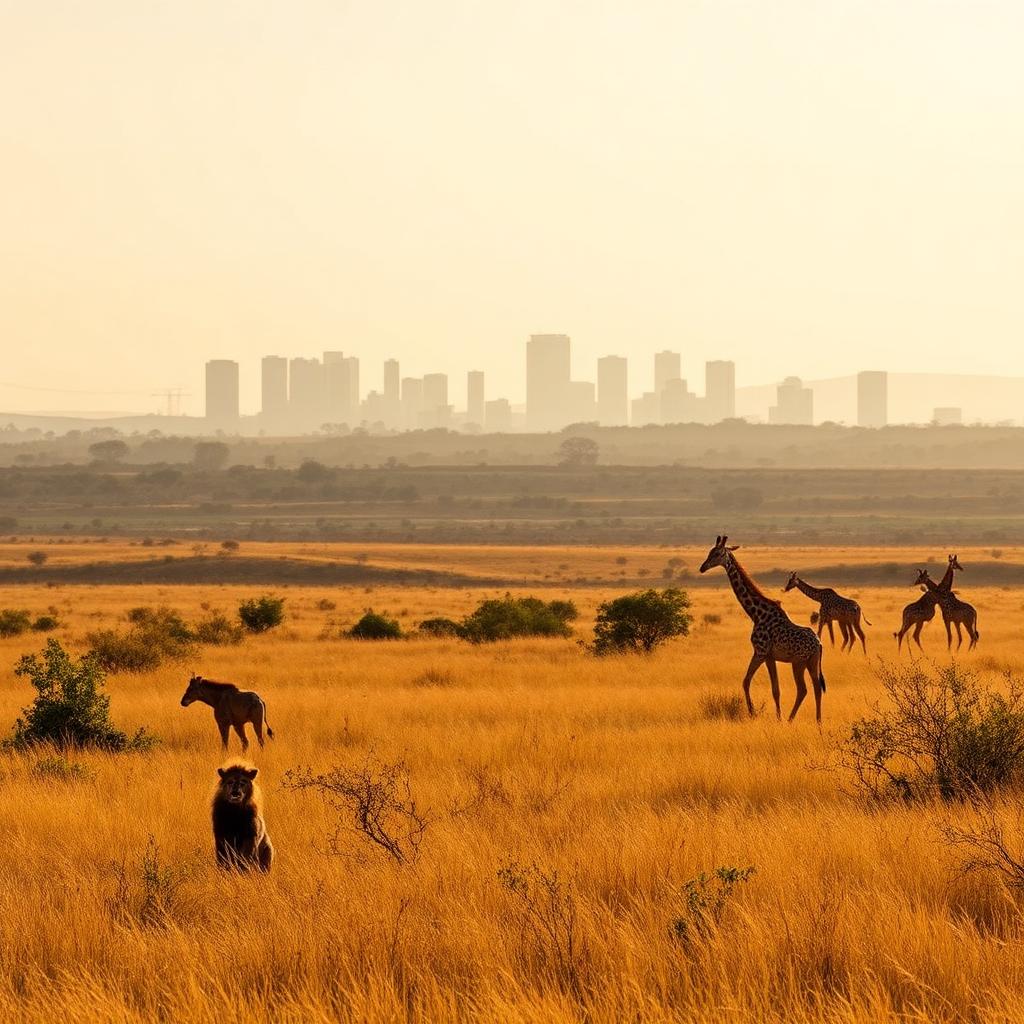
This isn't a zoo or enclosed safari attraction. It is a protected national park where wild animals roam across open grassland, woodland and riverine habitats. The unusual part is the setting: on parts of a game drive, Nairobi's skyline can appear behind the wildlife.
A Nairobi safari is therefore quite different from travelling to the Maasai Mara or Amboseli. You won't get the same sense of remoteness or the scale of a multi-day safari, but you also don't need to dedicate several days to it.
For travellers with limited time, Nairobi National Park makes it possible to fit a genuine game drive into a Nairobi stay and combine it with several other experiences in the same part of the city.
Nairobi National Park: A Safari on the Edge of the City
Nairobi National Park is the centrepiece of any safari in Nairobi.
Kenya Wildlife Service lists more than 100 animal species and more than 400 bird species in the park. Its relatively compact size also makes it practical for a half-day game drive.
One thing to understand before visiting is that wildlife sightings are never guaranteed. This is a natural environment, not an attraction where animals appear on schedule. Your experience will depend on the season, weather, time of day and, inevitably, luck.
What animals can you see in Nairobi National Park?
Nairobi National Park is home to four of the Big Five: lion, leopard, buffalo and rhino.
There are no wild elephants in Nairobi National Park. This is an important distinction because visitors sometimes assume that all of the Big Five can be seen here. The elephants associated with this part of Nairobi are the orphaned elephants cared for at the nearby Sheldrick Wildlife Trust Nairobi Nursery.
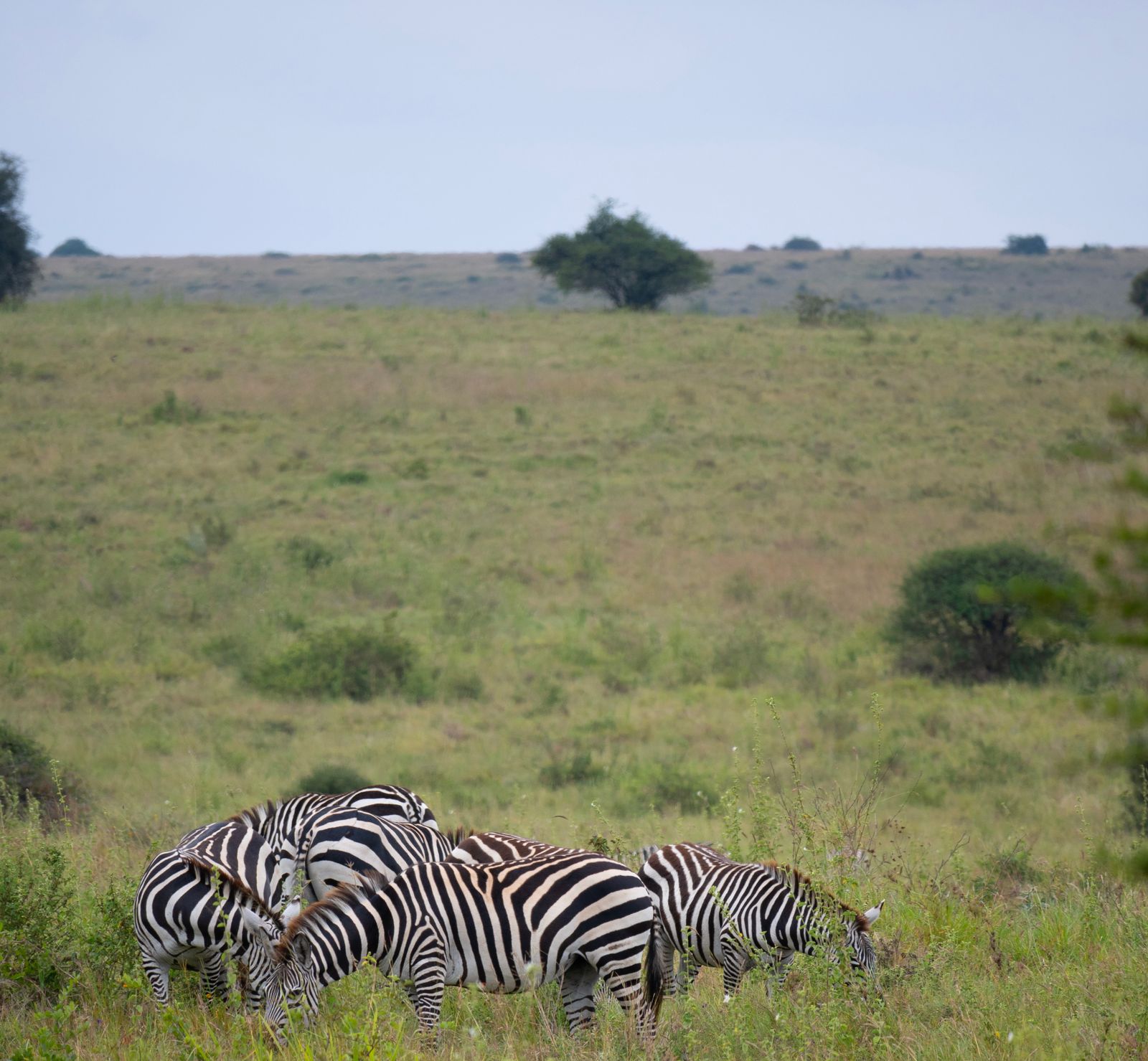
Other wildlife in Nairobi National Park includes giraffes, zebras, antelopes, hyenas and numerous other species. The park is also particularly significant for rhino conservation and supports both black and white rhinos.
For birders, there is considerably more to look for than the large mammals. More than 400 bird species have been recorded in the park.
How long do you need for a Nairobi National Park safari?
For most visitors, a half-day game drive is a sensible amount of time.
An early start gives you several hours inside Nairobi National Park while still leaving enough of the day to visit other attractions around Lang'ata and Karen.
You could spend longer if wildlife photography or birding is a priority. But if Nairobi is one part of a wider Kenya itinerary, a morning game drive is an efficient way to experience the park without giving up the entire day.
The park's current official opening hours are 6:00 am to 6:00 pm. Check the latest Kenya Wildlife Service information before visiting, as park regulations, entry procedures and fees can change.
Morning vs afternoon game drives
We generally favour an early-morning game drive if you're building a full Nairobi wildlife day.
Starting when the park opens gives you cooler conditions and leaves the middle and later parts of the day available for other experiences. It also works particularly well if you're planning to visit the Sheldrick Wildlife Trust, because its public Nairobi Nursery visit takes place at a fixed time around midday.
An afternoon game drive can still make sense if your schedule doesn't allow an early start, or if Nairobi National Park is your only activity that day.
The important thing is not to treat wildlife sightings as predictable. Morning can be a good time to explore the park, but no particular animal sighting can be guaranteed at any time of day.
The Best Safari and Wildlife Experiences in Nairobi
Nairobi National Park is the actual safari. The other experiences below aren't substitutes for a game drive, but they complement it well and can be combined into a day focused on wildlife, conservation and local craft.
Nairobi National Park
If you only have time for one wildlife experience in Nairobi, make it Nairobi National Park.
It gives you the experience most people actually mean when they talk about going on safari: driving through natural habitat and looking for free-ranging wildlife.
The contrast with Nairobi is part of the appeal. You can be watching giraffes or rhinos with a major African capital sitting just beyond the park.
For travellers heading to the Maasai Mara, Amboseli or another reserve later in their trip, Nairobi National Park doesn't need to replace that safari. Think of it as a very different addition to it.
Sheldrick Wildlife Trust Elephant Orphanage
The Sheldrick Wildlife Trust's Nairobi Nursery is located within Nairobi National Park and cares for orphaned elephants as part of the organisation's rescue and rehabilitation programme.
The public visit currently takes place from 11:00 am to 12:00 noon and must be booked in advance. During the visit, guests learn about the individual orphans and the Trust's conservation work while watching the elephants during their midday milk feed and mud bath.
There is an important planning detail here: visitors to the Nairobi Nursery are currently also required to pay the applicable Nairobi National Park entry fee, separately from the Sheldrick Wildlife Trust's own entry donation.
Because arrangements and fees can change, book directly through the Sheldrick Wildlife Trust and check its current visitor information when planning your day.
Giraffe Centre
The Giraffe Centre is another easy addition to a day around this part of Nairobi.
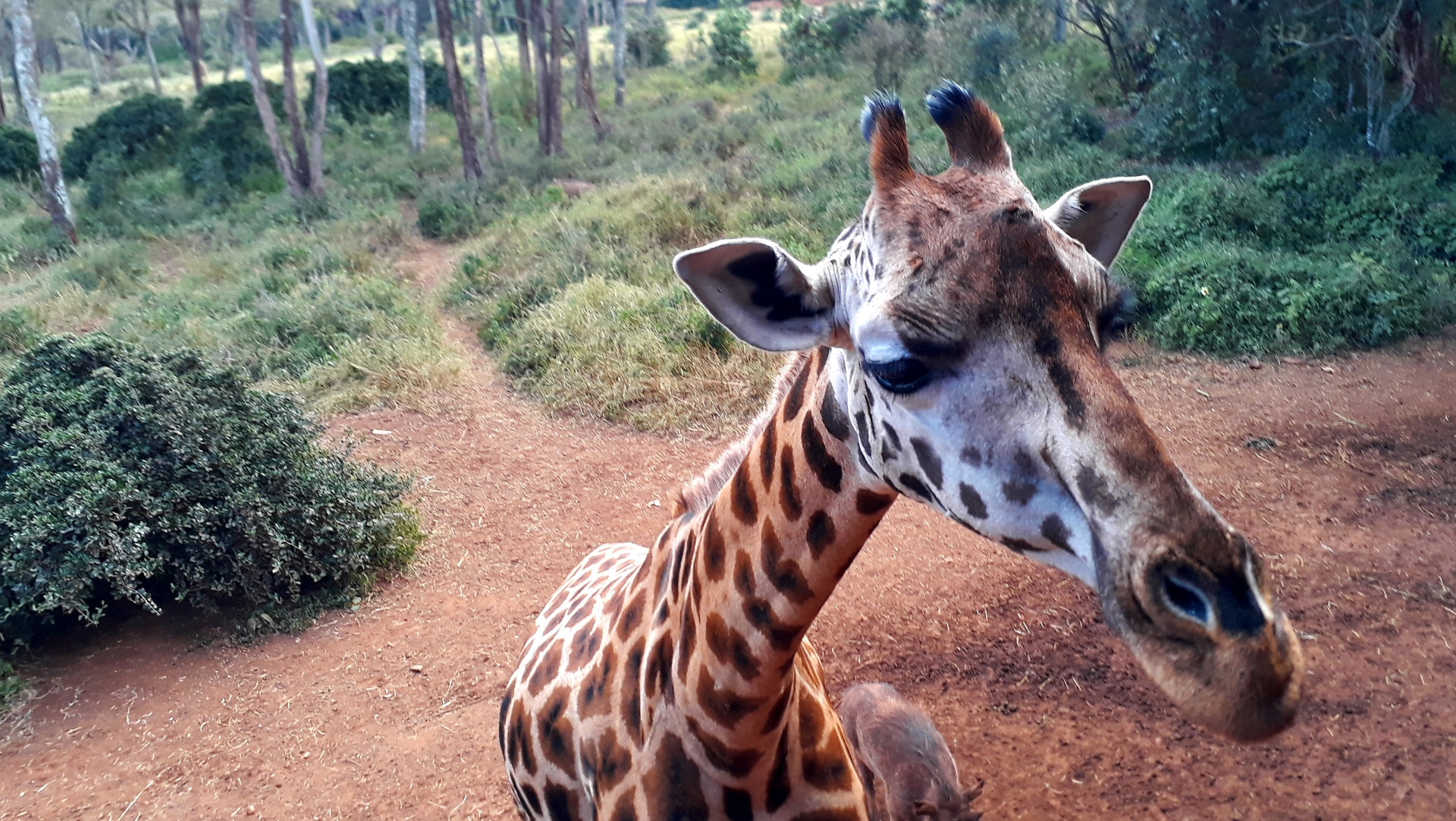
Run by the African Fund for Endangered Wildlife, the centre focuses on conservation education around the Rothschild's giraffe. Visitors can see giraffes at close range from a raised platform and learn about the conservation programme.
It isn't a safari experience in the same sense as Nairobi National Park. Rather, it's an interactive conservation visit that works particularly well for families and first-time visitors to Nairobi.
The Giraffe Centre currently operates daily, but opening hours and entry arrangements should always be checked directly before visiting.
Kazuri Beads
Kazuri Beads isn't a wildlife attraction, but it makes sense as the final stop on a full day around Karen.
The Nairobi workshop produces handmade ceramic jewellery, with beads shaped and painted by artisans on site. Visitors can tour the workshop and see how the pieces are made.
It changes the pace after a morning focused heavily on wildlife and gives you a glimpse into a different side of Nairobi. Kazuri's workshop is in Karen, making it relatively straightforward to combine with the Giraffe Centre and other stops in the area.
Check directly with Kazuri before your visit, particularly if you want a workshop tour rather than simply visiting the shop.
How to Spend a Full Safari Day in Nairobi
If you have one full day, you don't need to choose between Nairobi National Park and the other major wildlife experiences nearby. With some planning, they can fit together naturally.
A day could look something like this:
- 6:00–10:30 am: Nairobi National Park game drive
Start early and spend the first part of the morning exploring Nairobi National Park.
- 11:00 am–12:00 pm: Sheldrick Wildlife Trust Nairobi Nursery
Continue to the pre-booked public visit at the elephant nursery.
- 12:30–2:00 pm: Lunch
Take a break before the afternoon activities.
- 2:00–3:00 pm: Giraffe Centre
Spend an hour at the conservation centre and viewing platform.
- 3:30–4:30 pm: Kazuri Beads
Finish the afternoon with a workshop visit before heading back to your accommodation.
Treat those times as an example itinerary rather than fixed travel timings. Nairobi traffic can significantly affect how a day unfolds, and attraction access requirements can change.
This is also the format behind Jungle Oasis's Private Nairobi Wildlife Experience, designed for guests who would rather organise the day as one itinerary instead of arranging each stage independently.
Where to Stay for a Safari in Nairobi
Where you stay matters more than you might expect if your Nairobi itinerary is focused on wildlife.
Nairobi is a large city and traffic can consume a surprising amount of time. Choosing accommodation based purely on proximity to the central business district doesn't necessarily make sense if most of what you want to see is around Nairobi National Park, Lang'ata and Karen.
Why Karen is a good base for a Nairobi safari
Karen is particularly practical if your Nairobi plans revolve around Nairobi National Park, the Giraffe Centre, the Sheldrick Wildlife Trust and other attractions in this part of the city.
It also works well at either end of a wider Kenya safari. Instead of treating Nairobi purely as somewhere to sleep between your international flight and your next destination, you can build one or two days of activities into the stay.
That doesn't mean Karen is the right neighbourhood for every Nairobi trip. If your itinerary is primarily business meetings or activities in other parts of the city, another location may be more convenient. But for a wildlife-focused stay, it is worth considering.
Staying at Jungle Oasis
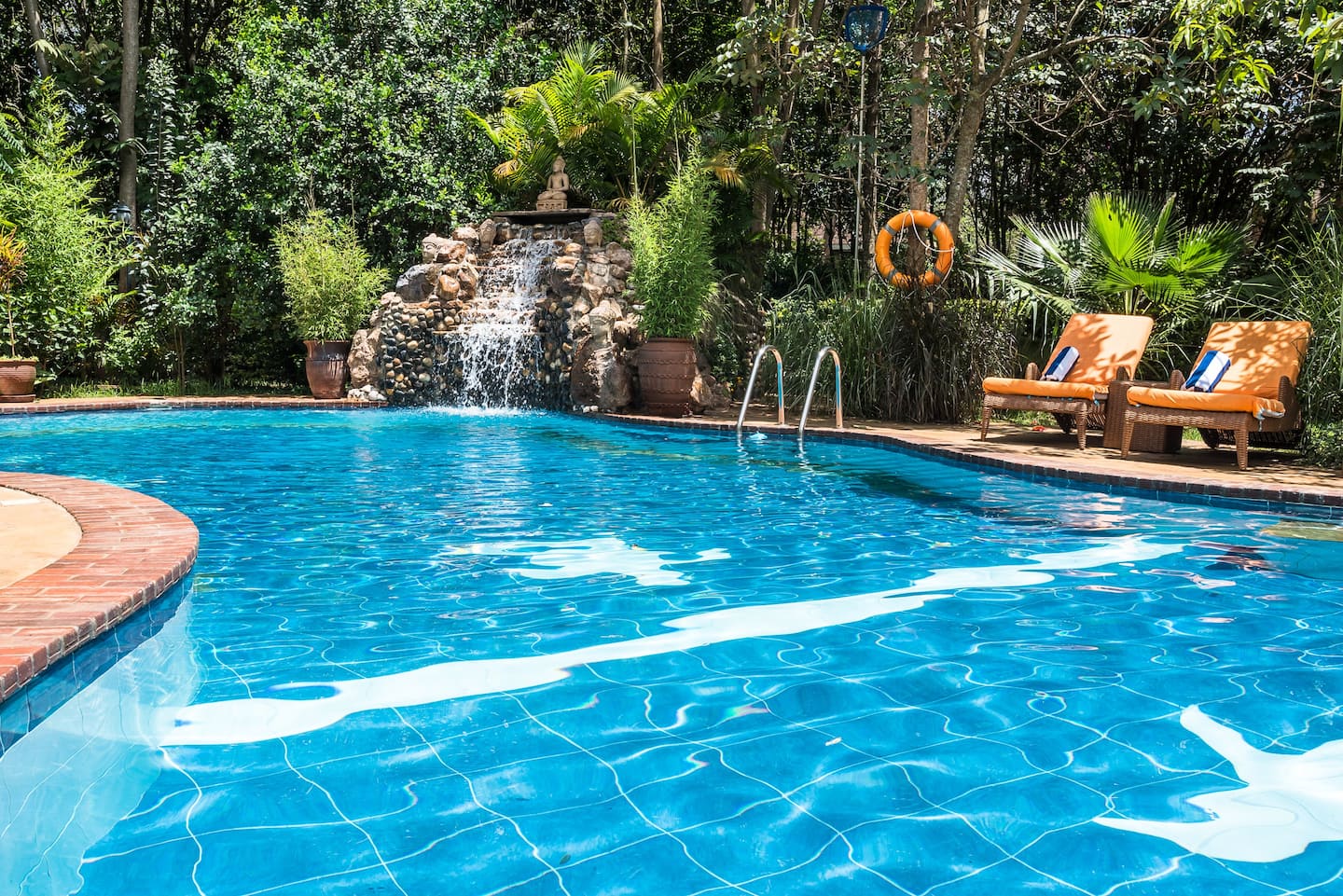
Jungle Oasis is a boutique stay in Karen and can be used as a base for exploring Nairobi's wildlife experiences before or after a longer Kenya safari.
For guests who want to spend a full day exploring rather than coordinating the individual stops themselves, our Private Nairobi Wildlife Experience combines an early Nairobi National Park game drive with the Sheldrick Wildlife Trust, lunch, the Giraffe Centre and Kazuri Beads.
Alternatively, you can organise your Nairobi safari independently and simply use Jungle Oasis as your base while exploring the area at your own pace.
Safaris From Nairobi: Where Can You Go Next?
There's another possible meaning behind the search for safaris in Nairobi: you may actually be looking for a safari that starts in Nairobi.
Nairobi is the starting point for many itineraries into Kenya's larger safari areas. If you have more than a day available, these are three of the obvious directions in which to continue.
Maasai Mara
The Maasai Mara offers a very different experience from Nairobi National Park, with a much larger safari landscape and trips generally structured over multiple days rather than a single morning.
For first-time visitors planning a classic Kenya safari, it is often one of the destinations considered alongside a stay in Nairobi.
Amboseli National Park
Amboseli is particularly known for its elephants and, when conditions allow, views towards Mount Kilimanjaro.
Kenya Wildlife Service lists road approaches from Nairobi of roughly 200 kilometres or more depending on the route and gate, so this is better thought of as a destination beyond Nairobi rather than another Nairobi attraction.
Lake Nakuru and Naivasha
Lake Nakuru National Park is another option northwest of Nairobi and is particularly associated with birdlife and rhino conservation.
Naivasha can also form part of an itinerary through this region, making the two useful to consider when building a longer road-based trip from Nairobi rather than simply planning a Nairobi day safari.
How Many Days Should You Spend in Nairobi Before or After a Safari?
For a wildlife-focused visit, two nights in Nairobi is a useful starting point.
That gives you one proper day for Nairobi National Park and nearby attractions without forcing everything into the few hours between flights.
Three nights gives you more breathing room if you also want to explore Nairobi beyond the main wildlife circuit, recover after a long international journey, or simply avoid beginning a multi-day safari exhausted.
If you're arriving late and departing early the following morning, don't count that as meaningful time in Nairobi. Adding an extra night can turn what would otherwise be a logistical stop into an actual part of the trip.