
13
minute read
18
sections
10
questions answered
You've just arrived in Kenya after a long flight. You're tired, thirsty, and standing in your hotel bathroom looking at the tap.
Can you drink the water?
It's one of those small travel questions that can suddenly feel surprisingly important.
And if you're planning a safari, a beach holiday in Diani or a few days exploring Nairobi, you'll probably have other questions too.
Can you brush your teeth with tap water? Is ice in restaurants safe? What about fresh fruit, salads and filtered water at safari lodges?
That doesn't mean every tap in Kenya contains dangerous water. Water quality depends on the supply, treatment, storage and plumbing. Some properties provide properly treated drinking water, while others rely on sources that should not be consumed without additional treatment.
The safest approach is to understand the difference and take a few straightforward precautions.
Here's what travellers should know.
Is Tap Water Safe to Drink in Kenya?
For international visitors, the practical recommendation is to use sealed bottled water or water that has been properly treated and confirmed safe for drinking.
The U.S. Department of State advises travellers to Kenya to take precautions with tap water and recommends sealed bottled beverages or appropriately treated water.
Why?
Because water quality can vary considerably between locations and buildings.
A hotel in Nairobi, a safari camp in a remote wildlife area and a coastal holiday home may have different water supply and storage arrangements.
Even when water has been treated before distribution, contamination can potentially occur later through storage tanks, plumbing or handling.
Does That Mean All Kenyan Tap Water Is Unsafe?
No.
It would be inaccurate to claim that every tap water supply in Kenya is contaminated.
Some homes and accommodation properties have reliable filtration, disinfection or other treatment systems.
However, a visitor usually cannot establish drinking-water safety by looking at the water or asking whether it appears clean.
Clear water can still contain microorganisms capable of causing illness.
Our recommendation: Unless your accommodation can reliably confirm that a particular drinking-water supply is safe, use sealed bottled water or properly treated water.
Can You Drink Tap Water in Nairobi?
The same general precautions apply in Nairobi.
Water quality may vary by building, supply arrangement and storage system.
Some accommodation providers offer treated drinking water through designated taps or dispensers.
Others supply bottled water for guests.
Do not assume that water from an ordinary bathroom or kitchen tap is safe to drink simply because you're staying in a modern apartment or an expensive hotel.
What Should You Ask Your Accommodation?
A useful question is:
"Is the tap water safe to drink, or do you provide filtered or bottled drinking water?"
If the property offers filtered water, you can also ask whether it is intended for drinking and how the system is maintained.
You don't need to investigate every technical detail. You simply need to establish which water source the property recommends for consumption.
Can You Drink Tap Water in Mombasa or Diani Beach?
Visitors to Kenya's coast should follow similar precautions.
Water supply conditions can differ between properties, and some buildings use stored water or private supply arrangements.
Do not assume that water is safe because it comes from a hotel, resort or holiday villa.
Use drinking water supplied or recommended by your accommodation, provided its safety has been established.
This applies whether you're staying in Mombasa, Diani Beach, Watamu, Malindi or another coastal destination.
What About Water at Safari Lodges and Camps?
Safari accommodation can have different water systems depending on location and infrastructure.
Some lodges provide treated drinking water in guest rooms or shared dispensers.
Others provide bottled water or drinking water in refillable containers.
The key is to distinguish between water intended for drinking and water supplied for washing or bathing.
Questions to Ask Your Safari Lodge
- Is drinking water included?
- Is the water supplied in bottles or refillable containers?
- Is the refill water treated and suitable for drinking?
- Should guests avoid drinking bathroom tap water?
- Is safe drinking water provided during game drives?
A reputable operator should be able to explain the drinking-water arrangements.
For longer game drives, carry sufficient safe water rather than assuming it will always be available along the route.
Can You Brush Your Teeth With Tap Water in Kenya?
This is one of the most frequently overlooked questions.
The concern is not simply brushing your teeth. It's the possibility of swallowing contaminated water.
The U.S. Centers for Disease Control and Prevention recommends using bottled or appropriately disinfected water for brushing teeth in locations where tap water may be unsafe.
What Should You Do?
Use safe drinking water to wet your toothbrush and rinse your mouth.
Avoid swallowing tap water.
If your accommodation has confirmed that a designated water supply is potable, you can use that supply.
For children, who may be more likely to swallow water while brushing, using safe drinking water is particularly sensible.
What If You Accidentally Swallow Some Tap Water?
Don't panic.
Accidentally swallowing a small amount does not automatically mean you will become ill.
The risk depends on whether the water was contaminated, what it contained and how much was swallowed.
If you feel well, there is usually no immediate action required beyond monitoring for symptoms.
If you develop persistent diarrhoea, vomiting, fever or other concerning symptoms, seek appropriate medical advice.
Is Ice Safe in Kenyan Restaurants and Hotels?
Ice is worth paying attention to because it may be made using untreated water.
The CDC recommends avoiding ice when you cannot establish that it was made with safe drinking water.
However, this does not mean that every restaurant in Kenya serves unsafe ice.
Some establishments use appropriately treated water or commercially produced ice.
How Can You Tell?
Ask whether the ice is made from safe drinking water.
If staff cannot confirm the source, requesting a drink without ice is the simpler option.
Remember that adding alcohol to a drink does not reliably disinfect contaminated ice.
What About Smoothies and Fresh Juices?
Smoothies, juices and blended drinks may contain ice or water.
Freshly prepared drinks can also introduce risks through fruit washing, equipment hygiene and handling.
If you're uncertain about preparation conditions, choose a commercially sealed beverage or another option made with reliably safe water.
Can You Eat Salads and Fresh Fruit in Kenya?
Yes, but food preparation and hygiene matter.
The main concern is that raw produce may have been washed with contaminated water or handled unsafely.
Fruit You Peel Yourself
Bananas, oranges and other fruits that can be peeled are often practical choices.
Wash your hands before peeling and eating them.
Salads and Raw Vegetables
Raw salads require more caution when you cannot verify the washing water and food-handling practices.
A well-managed restaurant may have appropriate hygiene procedures, but appearance alone cannot establish safety.
If you're concerned, choose cooked vegetables or food served thoroughly cooked and hot.
Cut Fruit at Buffets
Pre-cut fruit can be exposed to contamination during preparation or storage.
Be particularly cautious when food has been sitting unrefrigerated.
Does This Mean You Should Avoid Kenyan Food?
Absolutely not.
Kenya has a rich food culture, and visitors can enjoy a wide variety of local dishes.
The sensible approach is to consider how food is prepared, handled and stored rather than avoiding unfamiliar cuisine.
Freshly cooked meals served hot are generally a practical choice when food hygiene is uncertain.
Is Bottled Water Safe in Kenya?
Commercially bottled water from a reliable supplier is generally a safer option than untreated tap water.
But check the bottle before drinking.
What to Look For
- An intact factory seal.
- A clean, undamaged bottle.
- A reputable retailer or accommodation provider.
- No signs of tampering.
Avoid bottles that appear to have been opened and resealed.
For longer stays, repeatedly buying small plastic bottles can create unnecessary waste.
Where reliable treated drinking-water dispensers are available, refilling a reusable bottle may be a practical alternative.
Is Filtered Water Safe to Drink?
It depends on the treatment system.
The word "filtered" does not automatically mean that water is microbiologically safe.
Different filters remove different contaminants.
Some improve taste or remove particles but do not reliably eliminate all disease-causing microorganisms.
Other systems combine filtration with effective disinfection.
What About Portable Water Filters?
Portable filters can be useful for travellers, but their effectiveness depends on the device and the organisms it is designed to remove.
Some filters do not reliably remove viruses.
In situations where water safety is uncertain, an appropriate combination of filtration and disinfection may be necessary.
Follow the manufacturer's instructions and established public-health guidance.
For most travellers staying in established hotels and safari lodges, obtaining safe drinking water from a reliable provider is simpler than treating every litre independently.
Can You Boil Tap Water to Make It Safe?
Boiling is an established method for killing many disease-causing microorganisms.
If water is clear and chemical contamination is not suspected, the CDC advises bringing it to a rolling boil for one minute at lower elevations, or three minutes above approximately 2,000 metres.
Allow the water to cool in a clean, covered container before drinking.
However, boiling does not remove chemical contamination, heavy metals or every other possible hazard.
If water is visibly contaminated, has an unusual chemical smell or comes from a source with suspected chemical pollution, use an alternative safe supply.
For ordinary travellers, commercially sealed or reliably treated drinking water is often the most convenient option.
What Happens If You Drink Unsafe Water?
Drinking contaminated water can cause gastrointestinal illness.
Symptoms may include:
- Diarrhoea.
- Stomach cramps.
- Nausea.
- Vomiting.
- Fever.
Symptoms may begin within hours or days, depending on the cause.
Not every stomach illness during travel comes from drinking water. Food contamination, person-to-person infections and other causes are also possible.
What Should You Do If You Develop Diarrhoea?
The main immediate concern is dehydration.
Drink safe fluids and consider oral rehydration solution, especially if you're losing substantial amounts of fluid.
Rest and monitor your symptoms.
Seek medical care promptly if you experience:
- Bloody diarrhoea.
- High fever.
- Severe abdominal pain.
- Inability to keep fluids down.
- Signs of dehydration, such as very little urine, marked dizziness or unusual weakness.
- Symptoms that are persistent or worsening.
Young children, older adults, pregnant travellers and people with certain medical conditions may need medical attention sooner.
Do not automatically take antibiotics without appropriate medical advice.
What If You're Travelling With a Baby or Young Child?
Families should be particularly careful about drinking-water arrangements.
Young children can become dehydrated more quickly than healthy adults.
If you're travelling with a baby who uses formula, plan ahead for safe water preparation.
Follow established infant-feeding guidance, including appropriate water temperatures and preparation methods for powdered formula, which is not sterile.
Do not assume that ordinary bottled water alone makes formula preparation safe.
If possible, discuss your travel plans with your child's healthcare professional before departure.
For older children, provide safe drinking water for brushing teeth and drinking, and supervise hand hygiene.
What About Swimming Pools in Kenya?
Swimming pool water is not intended for drinking.
Even a well-maintained swimming pool can contain microorganisms, particularly if water treatment or maintenance is inadequate.
Avoid swallowing pool water.
Do not swim if you have diarrhoea, and supervise children to reduce accidental ingestion.
If a pool appears cloudy, poorly maintained or has visible hygiene problems, avoid entering until the issue has been addressed.
These precautions apply to pools worldwide, not only in Kenya.
Staying Hydrated During a Kenya Safari
Hydration matters when travelling through warm or dry environments.
Safari days can involve long periods in vehicles, and access to shops or drinking water may be limited.
Before leaving your accommodation:
1. Fill your bottle with safe drinking water. 2. Confirm whether your safari operator provides additional water. 3. Carry extra water for longer journeys. 4. Avoid leaving yourself dependent on an uncertain water source. 5. Monitor children and other travellers who may need reminders to drink.
If you're travelling to remote areas, your operator should have a clear plan for drinking-water supplies.
Drinking Water at Jungle Oasis Nairobi
At Jungle Oasis in Karen, we provide water dispensers and bottled drinking water in all of our accommodations.
Do not assume that ordinary bathroom or kitchen tap water is potable unless this has been explicitly confirmed.
For travellers who are arriving after a long international flight or preparing for a safari, having drinking-water arrangements sorted in advance is one less thing to think about.
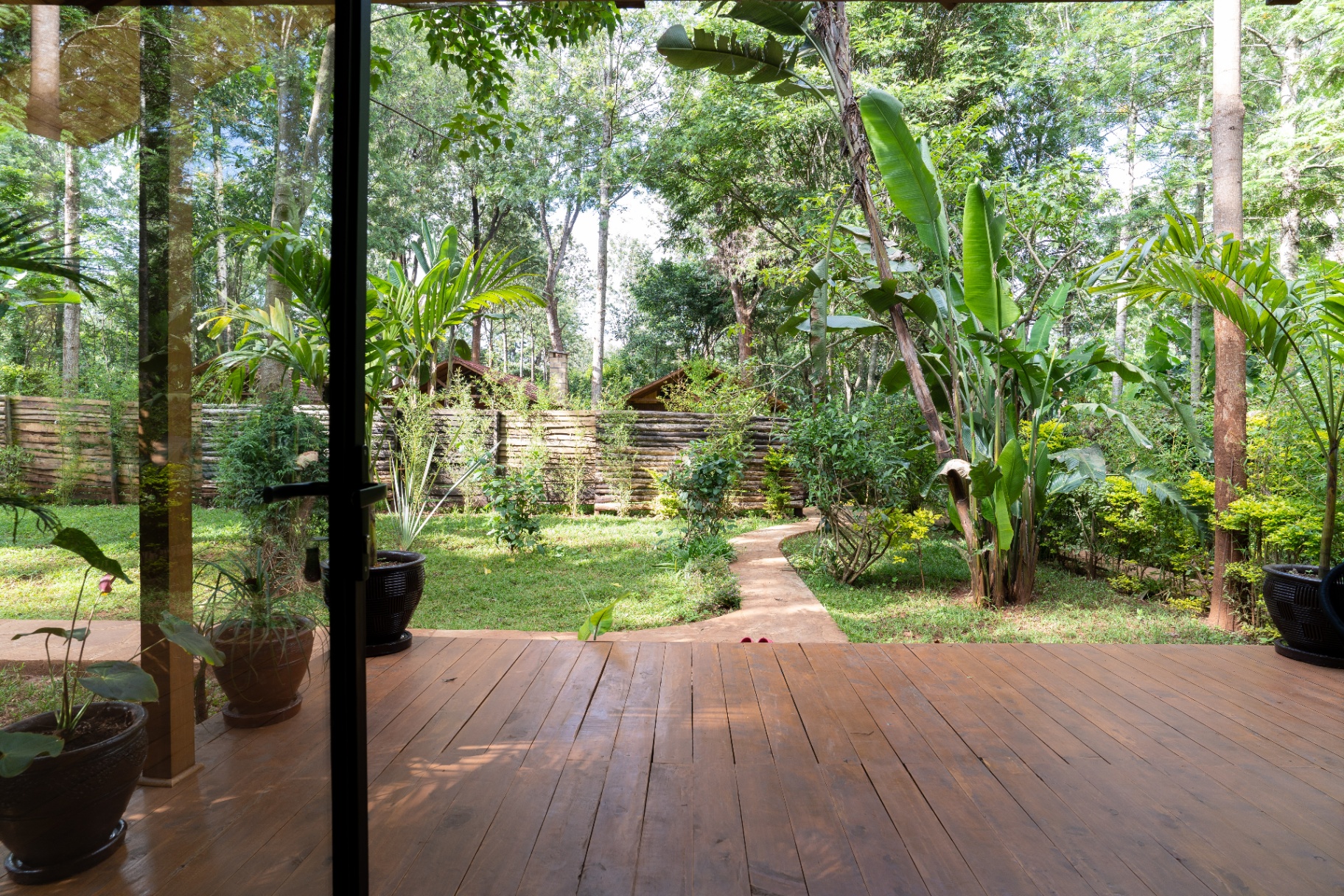
Jungle Oasis offers boutique accommodation in a garden setting, with a shared heated swimming pool and several accommodation options.
It can be a relaxed base for visitors exploring Nairobi or spending a night before continuing to other parts of Kenya.
Quick Water Safety Checklist for Kenya
| Situation | Practical advice |
|---|---|
| Drinking ordinary tap water | Avoid unless reliably confirmed safe |
| Sealed bottled water | Generally a safer choice |
| Properly treated drinking water | Suitable when treatment and safety are reliable |
| Brushing teeth | Use safe drinking water |
| Showering | Avoid swallowing water |
| Ice in drinks | Ask about the source; avoid if uncertain |
| Fresh salads | Consider washing and handling practices |
| Fruit you peel yourself | Generally a practical option |
| Hot tea or coffee | Usually safer when made with freshly boiled water |
| Safari drinking water | Confirm supplies before departure |
| Pool water | Do not swallow |
Frequently Asked Questions
Can tourists drink tap water in Kenya?
Tourists should generally avoid untreated tap water unless they have reliable confirmation that it is safe to drink.
Can you drink tap water in Nairobi?
Do not assume ordinary tap water is potable. Use sealed bottled water or reliably treated drinking water.
Can you brush your teeth with tap water in Kenya?
Where tap-water safety is uncertain, use bottled or properly treated water for brushing and rinsing.
Is it safe to have ice in drinks in Kenya?
Ice can be safe when made with safe drinking water, but if the source is uncertain, request your drink without ice.
Can you drink boiled tap water in Kenya?
Proper boiling can kill many disease-causing microorganisms, but it does not remove chemical contaminants. Use a different water source if chemical contamination is suspected.
Is filtered water safe in Kenyan hotels?
It depends on the filtration and disinfection system. Ask whether the water is specifically treated and supplied for drinking.
Can you eat salads in Kenya?
You can, but raw produce carries greater risk when washing and handling conditions are uncertain. Choose carefully and consider cooked alternatives.
Is bottled water safe in Kenya?
Sealed bottled water from reputable suppliers is generally a safer option. Check that the seal is intact.
What should you do if you accidentally swallow tap water?
A small accidental swallow does not guarantee illness. Monitor for symptoms and seek medical advice if concerning symptoms develop.
Can children drink tap water in Kenya?
Use safe drinking water for children, particularly young children who may be more vulnerable to dehydration if they become ill.
Final Thoughts: Drinking Water in Kenya Doesn't Need to Be Complicated
Water safety is worth taking seriously, but it shouldn't become a source of constant anxiety during your trip.
The basic precautions are straightforward.
Use reliably safe drinking water, be cautious with ice and raw foods when preparation conditions are uncertain, and ask your accommodation provider which water is intended for drinking.
Most importantly, don't assume that clear water is automatically safe—or that every water supply in Kenya is unsafe.
A little preparation can help you enjoy your safari, Nairobi stay or beach holiday with fewer unnecessary worries.
If you're planning to spend time in Nairobi before or after exploring Kenya, Jungle Oasis offers boutique accommodation in Karen, with garden surroundings and a shared heated swimming pool.
Contact the team to discuss your stay and confirm practical arrangements before arrival.
Health information reviewed: 20 November 2026. This article provides general travel-health information and does not replace individual medical advice. Drinking-water conditions and health recommendations can change.