
Karen is the part of Nairobi where the city exhales. Leafy roads, old trees, wildlife on the doorstep and some of the capital's best-known attractions, all within a few kilometres of each other.
Most visitors pass through Nairobi on the way to somewhere else, and many never leave the busier commercial districts. That's a shame, because the city's south-western suburb of Karen offers a noticeably slower atmosphere: spacious plots, mature gardens and a cluster of experiences that would be headline attractions in almost any other capital.
Karen is not rural, and it isn't cut off from the city. It's a well-established Nairobi suburb with shopping centres, restaurants and ride-hailing coverage — it simply moves at a gentler pace. That combination makes it worth a full day on your itinerary, and easily longer.
What are the best things to do in Karen, Nairobi? The highlights are the Giraffe Centre, where you can feed endangered Rothschild's giraffes; the Karen Blixen Museum, the former home of the Out of Africa author; the forest paths of the Oloolua Nature Trail; and Nairobi National Park, which borders the area. Between them, Karen's garden cafés, restaurants and craft workshops make it easy to fill a relaxed day or two.
Visit the Giraffe Centre
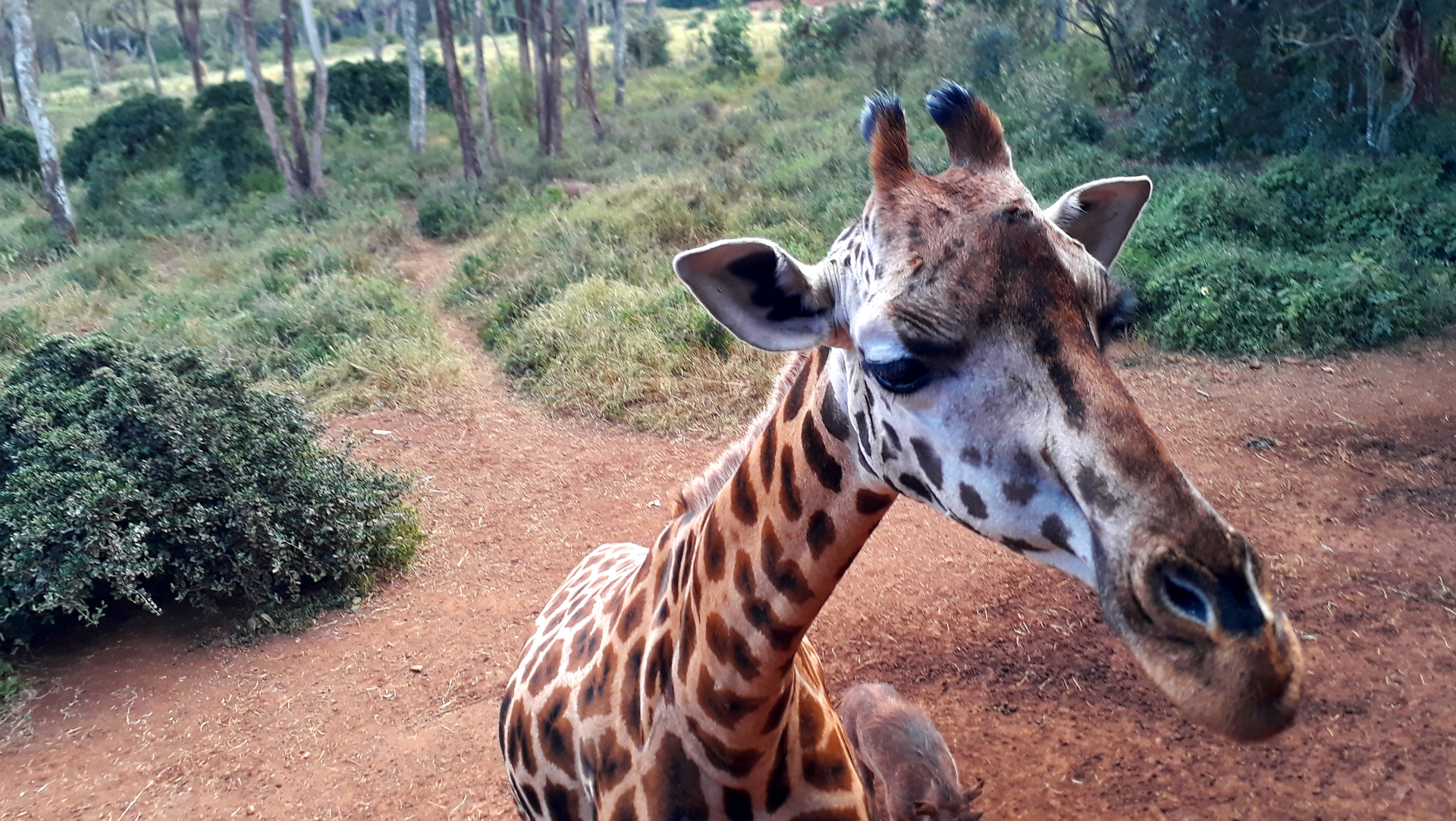
The Giraffe Centre is the experience most people picture when they think of this side of Nairobi. Run by the African Fund for Endangered Wildlife Kenya, a non-profit dedicated to conservation education, the centre protects the endangered Rothschild's giraffe and has been introducing visitors to them for decades.
A raised wooden platform puts you at eye level with the giraffes, and supervised feeding is part of the visit. There's also a short wildlife lecture and a nature conservancy walk across the road if you want to stretch your legs afterwards. The centre recommends allowing roughly one and a half to two hours.
It's open daily from 9am to 5pm, including weekends and public holidays. At the time of writing, admission is KSh1,500 for non-resident adults and KSh750 for non-resident children aged 3 to 12, with lower resident rates and free entry for under-threes. Payment is cashless — M-Pesa, Visa or Mastercard — and it's worth confirming current prices on the centre's website before you go.
Discover the Karen Blixen Museum
A short drive from the Giraffe Centre — about five to six kilometres by road — the Karen Blixen Museum is the former farmhouse of the Danish author Karen Blixen, who wrote Out of Africa under the pen name Isak Dinesen. She and Bror Blixen acquired the farm in 1917, and she lived here until her return to Denmark in 1931.
The house sits in quiet gardens with views towards the Ngong Hills, and guided tours take you through rooms furnished in the style of her years here. The museum, run by the National Museums of Kenya, opened in 1986, in the wave of interest that followed the 1985 film adaptation of Out of Africa.
It's worth approaching the visit with some context. Blixen's writing is beloved, but it comes from Kenya's colonial era, and the museum is most rewarding when you treat it as a window into that complicated period rather than a romanticised film set. Readers, history lovers and anyone who has seen the film will get the most from it; younger children may prefer the gardens to the guided tour.
The museum is open daily from 8:30am to 5:30pm, including public holidays. Tickets are booked through the Kenyan government's eCitizen platform and cash isn't accepted at the gate, so arrange entry online before you visit and check the National Museums of Kenya for current admission rates.

Explore Nature at Oloolua Nature Trail
If the Giraffe Centre is Karen's famous face, the Oloolua Nature Trail is its quieter one. The trail winds through indigenous forest managed around the Kenya Institute of Primate Research campus, with 5km and 10km loops passing a waterfall, streams, bamboo groves, a papyrus swamp and picnic clearings. The operator also markets a cave on the route as the Mau Mau cave.
This is the Karen experience for travellers who want birdsong and shade rather than a ticketed attraction. The forest feels genuinely removed from the city, and on a weekday you may share it with very few people.
The trail is open daily from 9am to 6pm. Entry is booked and paid through the institute's eCitizen portal — at the time of writing, KSh600 for non-resident adults and KSh300 for non-resident children, with lower citizen and resident rates — and you'll need to bring a printed receipt and original identification. Use the gate signposted "Institute of Primate Research."
Visit the Nairobi National Park Area
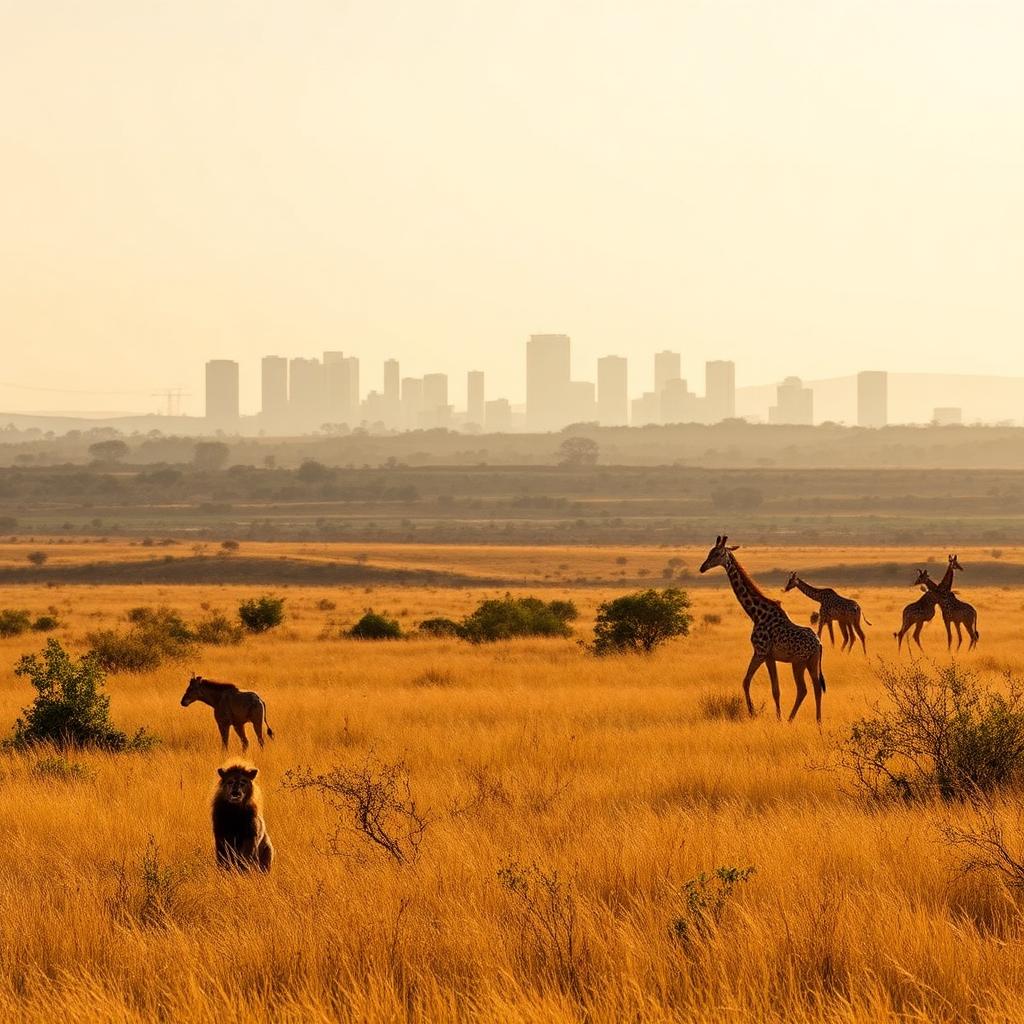
Karen borders the northern edge of Nairobi National Park, one of the only national parks in the world set within a capital city. Lions, rhinos, buffalo, giraffes and zebra roam open grassland with the city skyline behind them — a sight that surprises even repeat visitors.
Staying in Karen makes an early game drive straightforward: you can be at a park gate around opening time without crossing the city. Which entrance suits you best depends on where in Karen you're based and where you plan to drive, so confirm the gate with the Kenya Wildlife Service or your safari operator rather than assuming the closest boundary is the most convenient entrance.
We've written about planning the safari itself elsewhere, so we won't repeat it here. Our complete guide to safaris in Nairobi covers game drives, timing and logistics in detail, and where to stay near Nairobi National Park looks at the accommodation side.
Explore Karen's Cafés and Restaurants
Karen's dining scene leans towards gardens, verandas and long lunches rather than formal dining rooms. A few established names give a sense of the area:
The Talisman occupies a former house on Ngong Road with an organic garden, and describes itself as an elegant gastrolounge. It's the neighbourhood's best-known address for a leisurely dinner, open Tuesday to Sunday, and the kind of place where an evening meal stretches pleasantly into the night. Reservations are recommended.
Cultiva, on Pofu Road, takes a farm-to-table approach, building its menu around seasonal, locally sourced ingredients and organic heirloom crops. It suits a slow lunch as much as a dinner, and the setting matches the neighbourhood's green character.
Tin Roof Café, at House of Treasures on Dagoretti Road, is the casual option: coffee, breakfasts, smoothies, salads and wraps in a leafy, relaxed space. It's a good mid-morning stop between attractions rather than a destination dinner.
For a garden breakfast or brunch, the restaurant at Karen Blixen Coffee Garden — a boutique hotel on land once part of Blixen's coffee estate, and a separate business from the museum — is a long-standing local choice.
Opening days and menus change, so check each venue's own website before setting out, and book ahead for weekend lunches.
Discover Local Art, Crafts and Shopping
Karen has a creative side that's easy to miss if you only move between the big attractions. The best-known stop is Kazuri Beads on Lang'ata Road, where artisans hand-shape and hand-paint ceramic beads and jewellery. Kazuri was founded to provide employment for women, and it continues to support artisans — particularly single mothers — through work and skills development.
Free artisan-led workshop tours run Monday to Saturday and let you watch the process from clay to finished jewellery; groups larger than fifteen should book ahead. The attached shop is one of the better places in Nairobi to pick up something genuinely made in the city.
For a more conventional browse, The Hub Karen is the area's main shopping centre, with stores, restaurants and family activities under one roof. Smaller craft and design shops are scattered around the neighbourhood — Karen rewards unplanned wandering more than most parts of Nairobi.
Enjoy a Slower Afternoon in Karen
“The best Karen afternoons are the ones you didn't schedule.”
It's tempting to treat Karen as a checklist: giraffes, museum, forest, done. But the neighbourhood's real luxury is time. A long lunch that turns into coffee. An hour reading in a garden. A swim before dinner.
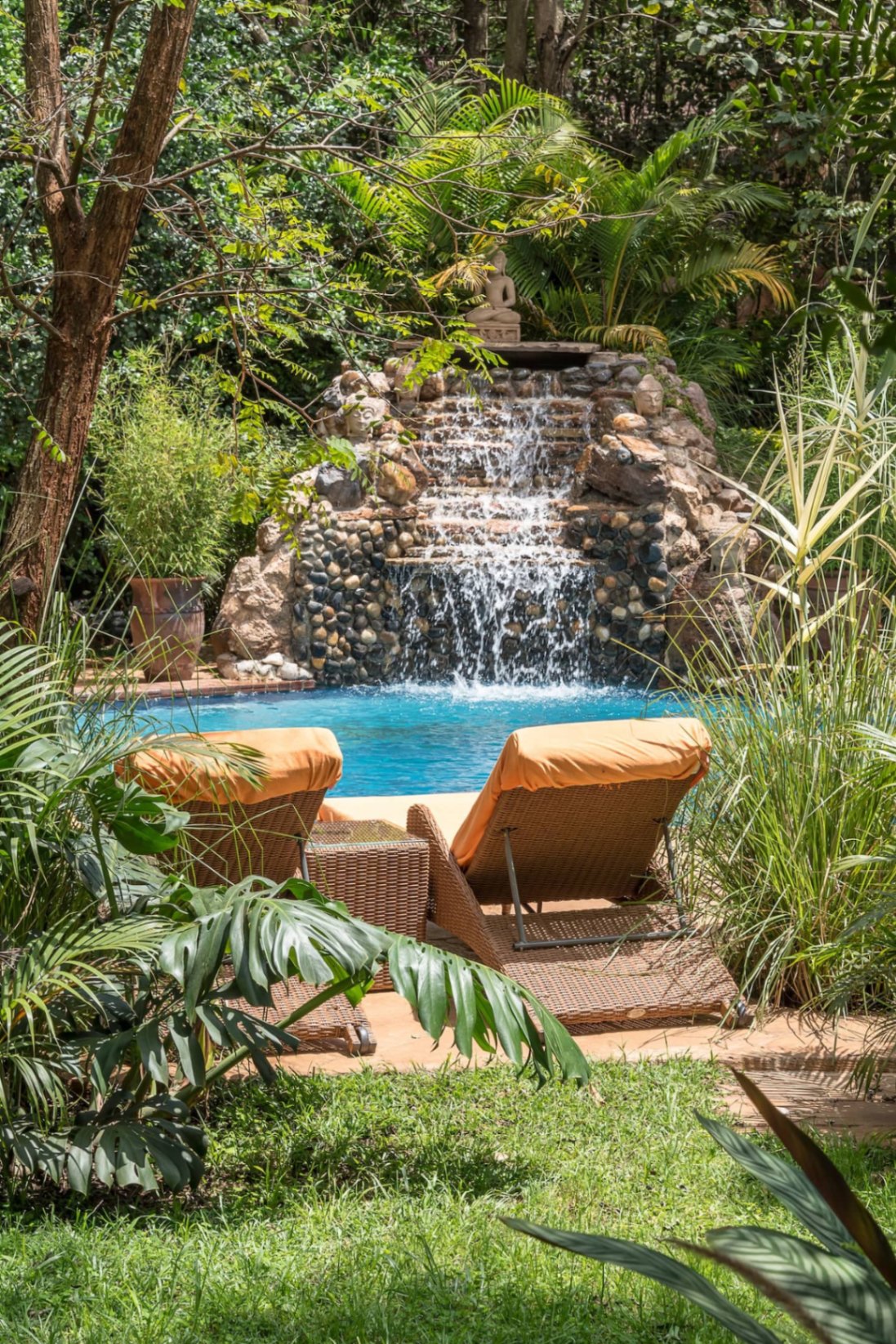
This is also where where you stay starts to matter. If your accommodation is itself a green, quiet place, the afternoon pause becomes part of the experience rather than dead time between sights. At Jungle Oasis, guests often spend the hottest part of the day by the heated pool or on a cottage deck, then head back out for dinner — Karen works better at that pace.
A Suggested One-Day Itinerary in Karen
Karen's main attractions sit close together, so a single well-paced day can cover the highlights without feeling rushed. One realistic shape:
One day in Karen
Morning
Giraffe Centre
Arrive near the 9am opening for a quieter visit, and allow up to two hours including the nature walk.
Late morning
Karen Blixen Museum
A short drive away. Take the guided house tour, then wander the gardens.
Lunch
A garden café or restaurant
Tin Roof Café for something casual, or book ahead for a longer lunch at Cultiva or The Talisman.
Afternoon
Forest, crafts or pool
Walk the Oloolua Nature Trail, visit Kazuri Beads, or return to your accommodation for a swim and a slow evening.
Two honest cautions. First, check each attraction's opening hours and booking requirements before you fix your plan — the museum and the nature trail both use online ticketing. Second, respect Nairobi traffic: distances in Karen are short, but journeys in and out of the area can slow considerably at rush hour, so group your stops and leave buffer time.
Practical Tips for Visiting Karen
Getting there
Karen lies roughly 16 kilometres by road from central Nairobi. In light traffic the drive can take around twenty minutes, but weekday rush hours can stretch it considerably — treat any journey-time estimate as a best case, not a promise.
Getting around
Ride-hailing services including Uber, Bolt and Little Cab operate in Karen and are the easiest way to move between attractions. Matatus on route 24 connect Karen with the city centre, though they're less practical for a sightseeing day. You don't strictly need your own car, but having one — or a driver for the day — adds flexibility, especially for Nairobi National Park.
How long to spend
One full day covers the Giraffe Centre, the museum and a long lunch. Two days lets you add the forest trail, a game drive and an unhurried afternoon. Families in particular will find Karen rewards a slower pace — our three-day Nairobi family itinerary shows how the area fits into a longer stay.
What to wear and bring
Nairobi's altitude keeps the climate mild. Mornings can be cool even when afternoons are warm, so bring layers, comfortable walking shoes, sun protection and a light rain jacket. Carry water and snacks for children, and remember that several attractions are cashless — a card or M-Pesa is essential.
Safety
Karen is one of Nairobi's quieter, leafier suburbs, and standard city common sense applies: use registered ride-hailing rather than hailing cars on the street, keep valuables out of sight, and ask your accommodation about current local advice. At attractions, follow staff guidance around animals.
Where to Stay When Exploring Karen
If Karen's attractions are the reason for your Nairobi days, staying in the neighbourhood itself changes the trip. Mornings start minutes from the Giraffe Centre or a park gate instead of in cross-town traffic, and afternoons can end in a garden rather than a hotel corridor. We wrote about why Karen works so well as a base separately.
Jungle Oasis is our own small property in Karen: a Studio, two private cottages and a two-bedroom loft apartment, each with self-catering facilities, ensuite bedrooms and Wi-Fi, set in gardens with a heated swimming pool. The cottages and studio suit couples, families and small groups who want space and quiet between outings, and optional extras such as a private chef or pre-stocked groceries can be arranged.
Planning a few days in Karen? Explore our accommodation in Karen and discover a more relaxed base for your stay. And if you're weaving Karen into a wider city visit, our weekend guide to Nairobi shows how the neighbourhood fits into two well-spent days.
Frequently Asked Questions
What is Karen, Nairobi, known for?
Karen is a leafy suburb in south-west Nairobi known for the Giraffe Centre, the Karen Blixen Museum, its proximity to Nairobi National Park, and a relaxed dining and café scene set in gardens. It takes its name from the Out of Africa author Karen Blixen, whose former coffee farm covered much of the area.
Is Karen worth visiting?
Yes. Karen holds several of Nairobi's most popular attractions within a few kilometres of each other, and its greener, slower atmosphere contrasts with the busier commercial districts. Most travellers find it worth at least a full day, and many choose to base themselves there.
Can you visit the Giraffe Centre and Karen Blixen Museum in one day?
Easily. The two are about five to six kilometres apart by road, and each takes one to two hours. A common plan is the Giraffe Centre in the morning, the museum late morning, then lunch at one of Karen's garden cafés or restaurants.
Is Karen suitable for families?
Very. The Giraffe Centre is a favourite with children, the museum gardens give them space to move, and the area's cafés and The Hub Karen shopping centre cater to families. Staying in Karen also cuts down on time spent in Nairobi traffic with children in the car.
How far is Karen from central Nairobi?
Roughly 16 kilometres by road. In light traffic the drive can take around twenty minutes, but rush-hour journeys can take considerably longer, so allow generous buffers when planning your day.
Do you need a car to explore Karen?
Not necessarily. Ride-hailing services such as Uber, Bolt and Little Cab operate in Karen and cover the short hops between attractions. A car or driver adds flexibility, particularly for an early game drive in Nairobi National Park, but it isn't essential for a Karen day out.