
13
minute read
17
sections
8
questions answered
When people imagine a safari in Kenya, the Maasai Mara is often the first destination that comes to mind.
And for good reason. Its sweeping grasslands, big cats and famous Great Migration have made it one of Africa's best-known wildlife destinations.
But Kenya's safari experiences extend far beyond the Mara.
Across the country, you'll find volcanic landscapes, remote northern reserves, forests, wetlands and vast stretches of semi-arid wilderness. Some destinations are known for elephants, others for rare wildlife species, remarkable scenery or opportunities to explore less familiar parts of Kenya.
If you're planning a second safari, hoping to avoid the busiest tourist circuits or simply interested in seeing a different side of the country, these seven destinations deserve consideration.
Are Kenya's Lesser-Known Safari Parks Worth Visiting?
Absolutely, although the experience may be different from what you expect in the Maasai Mara.
Some parks have denser vegetation, making wildlife more difficult to spot. Others cover enormous areas where animals may be widely dispersed.
You might spend longer searching for wildlife, but discover landscapes and species you would not necessarily encounter on a conventional Mara safari.
It's also important to distinguish between a quieter safari and a more affordable safari. Remote destinations can involve expensive transfers, specialist guiding or accommodation with limited availability.
The best approach is to choose a destination based on what you want to experience rather than simply looking for somewhere with fewer visitors.
1. Meru National Park: Varied Landscapes and Wildlife
Meru National Park, in eastern Kenya, is an appealing option for travellers interested in a safari beyond the most established international circuits.
Its landscapes include open plains, wooded areas, rivers and wetlands, creating a varied environment for wildlife viewing.
The park is associated with elephants, buffaloes, giraffes, big cats and a variety of bird species.
Meru is also connected to the story of Elsa the lioness, made famous by the book and film *Born Free*.
Why Visit Meru?
One of Meru's main attractions is the diversity of its scenery.
Rather than spending every game drive in open grassland, you can encounter changing habitats and landscapes.
For travellers who enjoy nature photography, birdwatching and exploring different environments, this variety can be particularly rewarding.
What Should You Consider?
Wildlife may be harder to locate in densely vegetated areas, and travel logistics require careful planning.
Meru is better suited to visitors who appreciate the wider safari experience rather than expecting continuous sightings of large predators.
Best for: Repeat safari visitors, nature enthusiasts and travellers looking for a less conventional itinerary.
2. Samburu National Reserve: Wildlife of Northern Kenya
Samburu National Reserve is among Kenya's most distinctive safari destinations.
Located in the country's north, it offers landscapes that feel noticeably different from the greener savannahs of southern Kenya.
The Ewaso Ng'iro River supports wildlife in an otherwise relatively dry environment.
Samburu is particularly well known for species often grouped together as the *Samburu Special Five*:
- Grevy's zebra.
- Reticulated giraffe.
- Beisa oryx.
- Gerenuk.
- Somali ostrich.
These animals are a major reason wildlife enthusiasts choose northern Kenya.
Why Visit Samburu?
Samburu offers opportunities to observe wildlife adapted to drier environments.
The scenery, vegetation and animal species create a different atmosphere from a Maasai Mara safari.
It can also form part of a wider northern Kenya itinerary.
What Should You Consider?
Temperatures can be high, and the best wildlife-viewing areas depend on seasonal conditions.
Samburu is a national reserve rather than a national park, so visitors should verify the applicable fees and management rules with the relevant authorities.
Best for: Wildlife enthusiasts, photographers and travellers interested in northern Kenya.
3. Tsavo East National Park: Vast Wilderness and Red-Earth Elephants
Tsavo East is one of Kenya's great wilderness destinations.
Its landscapes are known for open terrain, semi-arid vegetation and distinctive red soil.
Elephants in the area can appear reddish after dusting themselves with the local earth, creating one of the park's most recognisable wildlife images.
Tsavo East also supports lions, buffaloes, giraffes and numerous other species.
Why Visit Tsavo East?
The park's scale is part of its appeal.
Game drives can feel very different from those in smaller or more concentrated wildlife areas.
The landscapes are expansive, and wildlife viewing often involves covering substantial distances.
Tsavo East is also relevant for travellers combining safari with time on the Kenyan coast.
What Should You Consider?
Because of the park's size, accommodation location and planned game-drive routes are important.
Not every section offers the same wildlife-viewing conditions.
A short visit may provide only a limited introduction to the park.
Best for: Travellers who enjoy expansive landscapes and those combining safari with a coastal holiday.
4. Tsavo West National Park: Volcanic Landscapes and Scenic Safari Drives
Although Tsavo East and Tsavo West share a name, they offer different safari experiences.
Tsavo West is known for its varied terrain, including volcanic landscapes, hills, lava formations and areas of dense vegetation.
Mzima Springs is among its best-known natural attractions.
The park supports elephants, buffaloes, giraffes, big cats and diverse birdlife.
Why Visit Tsavo West?
Tsavo West is especially appealing if scenery is a major part of your safari experience.
Its geological features and changing landscapes make it more than simply a destination for searching for large mammals.
Visitors can combine game drives with selected scenic stops, subject to current access arrangements.
What Should You Consider?
Dense vegetation and rugged terrain can make wildlife sightings less predictable.
Some travellers may find Tsavo East more suitable for expansive game-viewing landscapes, while others prefer Tsavo West's scenery.
Best for: Landscape photography, geology enthusiasts and travellers wanting a varied safari environment.
5. Aberdare National Park: Forests, Waterfalls and Mountain Wildlife
The Aberdare National Park offers a very different environment from Kenya's famous savannah reserves.
Located in Kenya's central highlands, it features mountain forests, moorlands, valleys and waterfalls.
The cooler climate and high-altitude scenery create an atmosphere unlike the open plains of the Maasai Mara.
Wildlife includes elephants, buffaloes, antelopes and various forest-associated species.
Some animals can be difficult to observe because of the dense vegetation.
Why Visit Aberdare?
Aberdare is particularly attractive to travellers who appreciate mountain scenery, forests and nature beyond traditional game drives.
Its waterfalls and dramatic landscapes provide excellent opportunities for scenic exploration.
What Should You Consider?
Weather can change quickly, and roads or tracks may be affected by rain.
Some routes require suitable vehicles and careful planning.
Wildlife viewing is not necessarily as straightforward as in open savannah environments.
Best for: Nature lovers, photographers and travellers seeking a forest-and-mountain safari experience.
6. Ol Pejeta Conservancy: Rhinos and Conservation
Ol Pejeta Conservancy, in Laikipia, is an important destination for travellers interested in wildlife conservation.
It is particularly known for its rhino conservation work, including its role in efforts to protect the northern white rhino.
The conservancy also supports a range of other wildlife and conservation initiatives.
Unlike the national parks on this list, Ol Pejeta is a conservancy with its own visitor arrangements and access rules.
Why Visit Ol Pejeta?
For travellers interested in conservation, Ol Pejeta offers opportunities to learn about the challenges involved in protecting endangered wildlife.
Its rhino conservation work provides a particularly compelling reason to visit.
Depending on current availability, visitors may be able to book additional conservation-related experiences.
What Should You Consider?
Special activities may require separate reservations and fees.
Not every conservation experience is included with general entry.
Check current visitor information directly with Ol Pejeta before planning your itinerary.
Best for: Conservation-minded travellers, families and wildlife enthusiasts interested in rhinos.
7. Ruma National Park: A Different Safari Experience in Western Kenya
Ruma National Park is one of the more unusual additions to a Kenya safari itinerary.
Located in western Kenya, it is associated with rolling grasslands and woodland habitats.
The park is particularly significant for the conservation of the roan antelope in Kenya.
It also supports other wildlife and bird species, making it interesting for visitors who want to explore beyond the country's best-known safari routes.
Why Visit Ruma?
Ruma appeals to travellers who enjoy discovering less familiar destinations.
It offers a chance to explore a different region of Kenya and appreciate wildlife habitats outside the traditional southern safari circuit.
What Should You Consider?
Ruma is not necessarily a practical addition to a short first-time Kenya itinerary.
Getting there requires more planning, and tourism infrastructure may be more limited than in major safari destinations.
It is best approached as part of a carefully planned western Kenya journey rather than a quick detour from Nairobi.
Best for: Experienced Kenya travellers, birdwatchers and visitors interested in unusual safari destinations.
Comparing Kenya's Alternative Safari Destinations
| Destination | Main attraction | Best suited to |
|---|---|---|
| Meru | Varied habitats and wildlife | Nature enthusiasts |
| Samburu | Northern Kenya's distinctive species | Wildlife photographers |
| Tsavo East | Expansive landscapes and elephants | Safari-and-beach travellers |
| Tsavo West | Volcanic scenery and varied terrain | Scenic safari enthusiasts |
| Aberdare | Forests, waterfalls and mountain landscapes | Nature and hiking enthusiasts |
| Ol Pejeta | Rhino conservation | Conservation-focused visitors |
| Ruma | Western Kenya wildlife and roan antelope | Experienced safari travellers |
These destinations are not necessarily interchangeable. Each offers a different combination of scenery, wildlife, access and accommodation.
Which Alternative to the Maasai Mara Should You Choose?
The right choice depends on your priorities.
For distinctive wildlife species: Consider Samburu.
For elephants and expansive scenery: Tsavo East is worth exploring.
For volcanic landscapes and scenic drives: Consider Tsavo West.
For mountain forests and waterfalls: Aberdare offers something different.
For rhino conservation: Ol Pejeta is a strong candidate.
For varied landscapes and a less conventional safari: Meru may appeal.
For an unusual western Kenya itinerary: Consider Ruma.
You do not need to visit all seven.
In fact, attempting to combine too many distant destinations can turn a relaxing safari into an exhausting journey.
Are Lesser-Known Safari Parks Cheaper Than the Maasai Mara?
Not necessarily.
While some destinations may offer accommodation at lower rates during certain periods, total safari costs depend on much more than the nightly price.
Consider:
- Park or conservancy entry fees.
- Accommodation availability.
- Vehicle and guide costs.
- Distance from Nairobi or other travel hubs.
- Domestic flights where applicable.
- Fuel and road transfers.
- The number of nights required for a worthwhile visit.
A remote park with relatively affordable accommodation may still be expensive to reach.
Likewise, a popular destination may offer competitively priced group safari options because it has a more established tourism industry.
Compare complete itineraries rather than assuming less famous means less expensive.
When Is the Best Time to Visit These Parks?
Kenya's wildlife destinations experience different seasonal conditions.
Rainfall, altitude, vegetation and regional climate all influence the experience.
For example, the highland environment of Aberdare is very different from the warmer, drier landscapes of Samburu.
Road conditions and wildlife distribution can also change throughout the year.
When planning your trip, research the specific destination rather than applying a single nationwide safari calendar.
The traditional dry seasons can offer practical advantages in several parks, but wildlife viewing is possible at other times as well.
If you're travelling during wetter months, ask your operator about road accessibility and accommodation operations.
How to Combine These Parks Into a Kenya Safari Itinerary
The biggest mistake when planning a multi-park safari is underestimating travel distances.
Kenya may look manageable on a map, but journeys between destinations can take much longer than expected.
Instead of selecting parks solely by interest, group destinations geographically.
Option 1: Northern Kenya Safari
Combine suitable destinations around Laikipia and Samburu.
For example, an itinerary could include Ol Pejeta Conservancy and Samburu National Reserve.
This offers a contrast between conservation-focused experiences and northern Kenya's distinctive wildlife.
Option 2: Tsavo and the Kenyan Coast
Combine Tsavo East or Tsavo West with a beach holiday.
This can be appealing for travellers who want both wildlife and time by the Indian Ocean.
The most practical route depends on where you are staying on the coast and your chosen safari accommodation.
Option 3: Central Kenya Nature and Wildlife
Combine Aberdare with an appropriately planned visit to Laikipia.
This allows you to experience mountain landscapes and wildlife conservation within a broader central Kenya journey.
Option 4: A Longer Western Kenya Journey
Include Ruma as part of a wider itinerary exploring western Kenya.
This is more appropriate for travellers with sufficient time than for a short safari holiday.
In every case, check actual road distances, transport options and accommodation availability before finalising your plans.
Should First-Time Safari Travellers Skip the Maasai Mara?
Not necessarily.
The Maasai Mara remains an excellent choice for a first Kenya safari.
Its reputation is well deserved, and it offers opportunities for memorable wildlife experiences.
The purpose of exploring alternative parks isn't to suggest that the Mara is overrated.
Instead, it's to recognise that Kenya has many different safari landscapes.
If you're visiting for the first time and have limited time, a carefully planned Maasai Mara safari may be the right choice.
If you've already experienced the Mara, or have particular interests in elephants, rhinos, northern wildlife or mountain scenery, other destinations may offer something equally rewarding.
Starting or Ending Your Safari in Nairobi
Many Kenya safari itineraries begin or end in Nairobi.
Depending on your destination, you may travel onward by road or domestic flight.
For longer itineraries, spending a night in Nairobi before departure can provide time to rest after an international journey.
Similarly, returning to Nairobi for a night before flying home may help avoid overly tight connections.
Staying at Jungle Oasis Nairobi
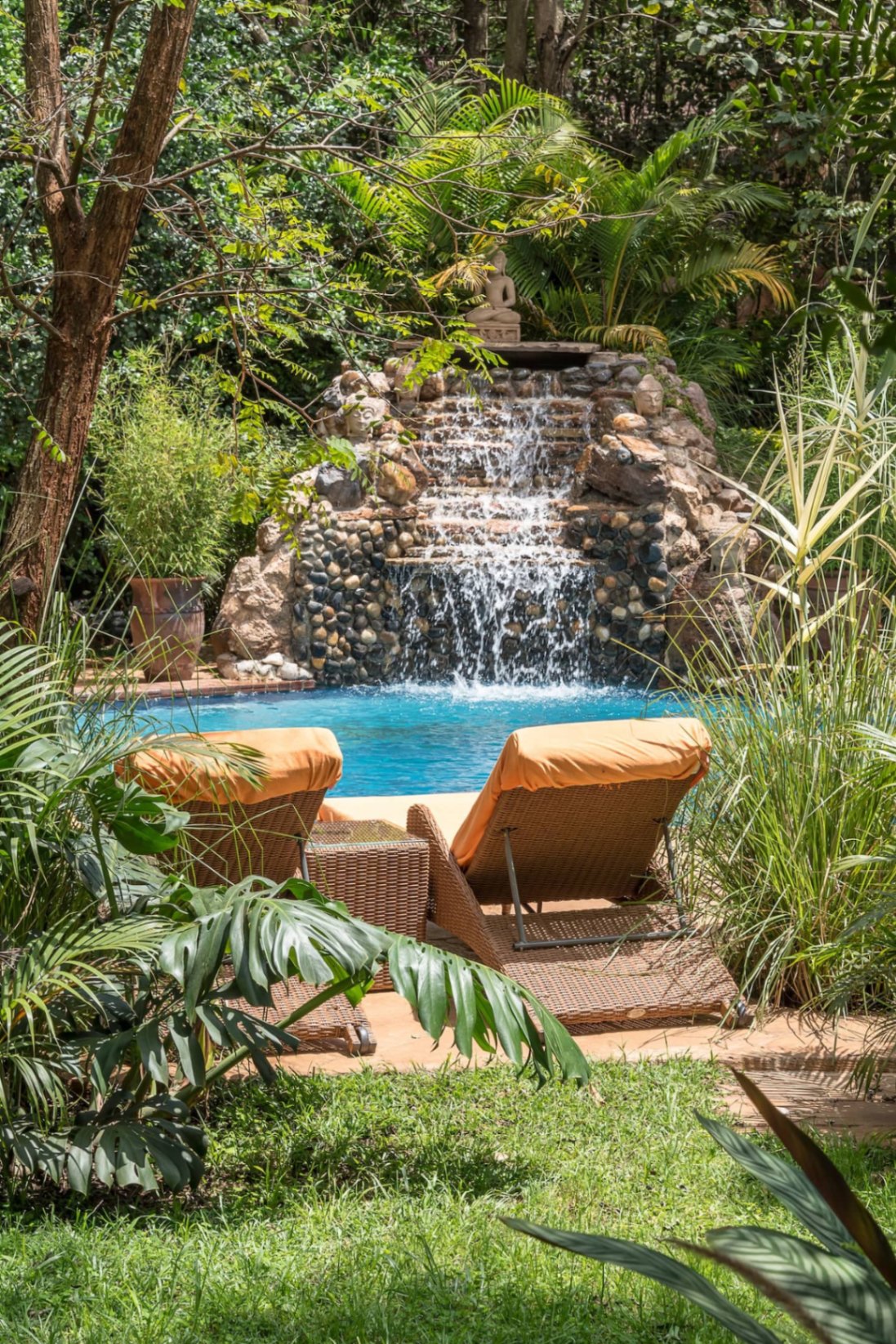
Jungle Oasis offers boutique accommodation in Karen, Nairobi, for travellers who want a more relaxed start or finish to their Kenya holiday.
The property features garden surroundings, several accommodation options and a shared heated swimming pool.
For visitors returning from a multi-day safari, it can provide a comfortable place to unwind before continuing their journey.
Karen is not immediately beside Nairobi's airports, so transfer arrangements and flight times should be considered carefully.
Explore Jungle Oasis accommodation when planning the Nairobi portion of your safari itinerary.
Frequently Asked Questions
What are the best alternatives to the Maasai Mara?
Popular alternatives include Amboseli, Samburu, Tsavo East, Tsavo West, Meru and Ol Pejeta. The best choice depends on the wildlife, landscapes and travel experience you want.
Which Kenya safari park is best for elephants?
Amboseli and the Tsavo parks are particularly associated with elephant viewing, although sightings are never guaranteed.
Where can you see rhinos in Kenya?
Rhinos are protected in several Kenyan wildlife areas, including Ol Pejeta Conservancy and Lake Nakuru National Park. Sightings depend on the location and conditions.
Is Samburu worth visiting?
Yes, particularly for travellers interested in northern Kenya's distinctive landscapes and wildlife species.
Are Kenya's smaller parks less crowded?
Some less-visited destinations may have fewer tourist vehicles, but visitor levels vary by season, location and wildlife activity.
Can you combine Tsavo with a beach holiday?
Yes. Tsavo can work well as part of a safari-and-coast itinerary, provided travel routes and accommodation locations are planned carefully.
Are lesser-known safari parks suitable for families?
Many can be, but suitability depends on children's ages, journey times, accommodation policies and the activities available.
Do you need a guide to visit Kenya's national parks?
Guiding arrangements vary by park and travel style. First-time visitors often benefit from an experienced guide, particularly in remote destinations.
Final Thoughts: Discovering a Different Side of Kenya
The Maasai Mara may be Kenya's most internationally recognised safari destination, but it represents only one part of the country's remarkable wildlife heritage.
From Samburu's northern landscapes to Tsavo's vast wilderness, Aberdare's mountain forests and Ol Pejeta's conservation work, Kenya offers safari experiences for many different interests.
The best destination is not necessarily the most famous or the least visited.
It's the one that suits your travel style, interests and available time.
Plan your route carefully, allow enough time in each destination and choose operators who understand the local environment.
And if your journey begins or ends in Nairobi, consider giving yourself a comfortable overnight stop rather than rushing directly between the airport and your safari.
Jungle Oasis in Karen offers a relaxed accommodation option for travellers looking to begin or finish their Kenya adventure in a garden setting.
Travel information note: Protected-area fees, road conditions, accommodation availability, wildlife populations and visitor rules can change. Verify current details with Kenya Wildlife Service, reserve or conservancy management and your safari operator before travelling.
